Taunton Motors
In the fast-evolving world of automation, the choice of a DC Gear Motor can significantly impact performance and efficiency. Renowned industry expert Dr. Alan Thompson emphasizes, "The right DC Gear Motor is crucial for optimal torque and speed control." As global buyers embark on selecting the ideal motor, understanding the intricate details and specifications is vital.
Selecting the right DC Gear Motor is often more challenging than it seems. Features like torque ratings, gear ratios, and dimensions must be carefully considered. Each application has unique requirements that cannot be overlooked. While many buyers focus on the price, the long-term efficiency and durability of a DC Gear Motor should take precedence.
In a constantly growing market, misinformation can lead to poor decisions. Research and expert insights are more necessary than ever. Inexperienced buyers may overlook critical specifications. An informed choice can prevent future failures and ensure project success. Amid various options, clarity and understanding are key to making the right decision in this essential component of modern machinery.
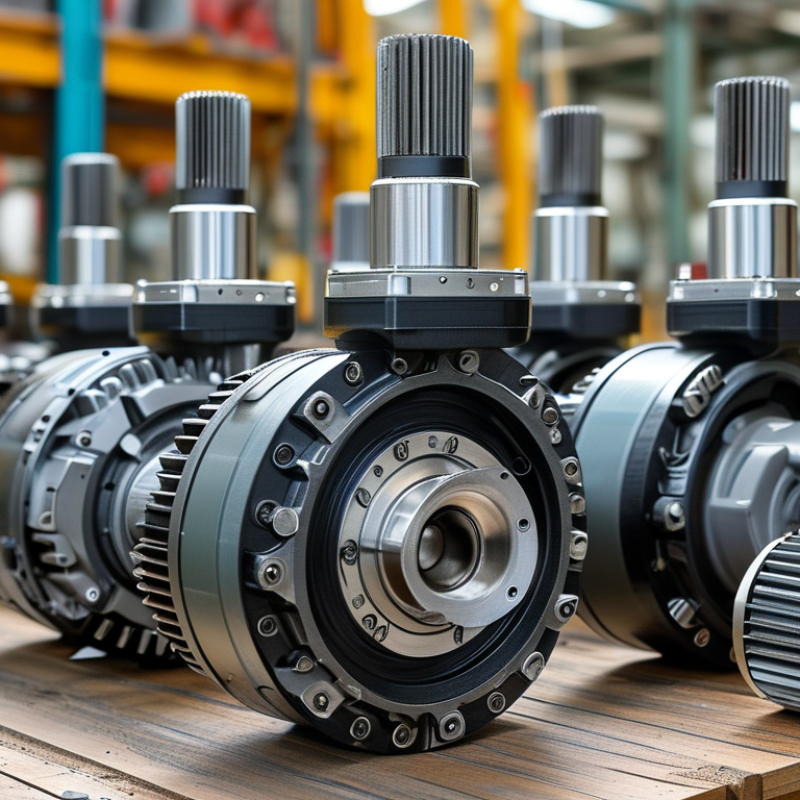
DC gear motors are essential components in various applications, from robotics to automotive systems. Understanding their key components can enhance your purchasing decision. A DC gear motor typically consists of a motor, gears, and a casing. The motor delivers rotational power while the gears reduce speed and increase torque. This combination allows for precise control over motion.
When selecting a DC gear motor, consider its torque and speed ratings. These factors determine how well the motor performs under specific loads. A motor with high torque is beneficial for heavy-duty applications, while a higher speed may be ideal for lighter tasks.
Tips: Always assess the operational environment. High temperatures or humidity can affect performance. Additionally, compare gear ratios. A lower gear ratio often provides more torque but minimizes speed. Lastly, ensure the motor's voltage specifications match your system to avoid potential damage. The interplay of these components influences the motor's overall efficiency and longevity.
When selecting a DC gear motor, several important factors come into play. Efficiency is key; the motor should convert electrical energy into mechanical energy effectively. Consider the torque requirements of your application. Higher torque output often means more efficient operation in demanding tasks.
Another critical aspect is the gear reduction ratio. This ratio determines speed and torque characteristics. A higher gear ratio provides more torque at lower speeds but can limit top speed. Assessing the operational environment is crucial as well. Consider factors like temperature, humidity, and exposure to dust. These conditions can impact the motor's performance and longevity.
Another area for reflection is the noise level. In some applications, like automation or robotics, noise can be a concern. Investigate motors with lower noise profiles if quiet operation is vital. Always ensure that the motor's specifications align with the intended use. Overestimating needs could lead to unnecessary costs and system inefficiencies. Balancing power needs with cost-effectiveness will yield the best results in your selection process.
DC gear motors are crucial in numerous industrial applications. These motors combine electric power with mechanical gearing. Their precise torque and speed control make them ideal for various situations.
In the automotive industry, DC gear motors drive automation for assembly lines. According to a recent report by Research and Markets, the automotive sector accounts for approximately 40% of global DC gear motor usage. These motors enable smooth operations for tasks like robotic arms and conveyor belts.
The medical field also benefits from DC gear motors. They assist in precise movements for surgical instruments. The scalability of these motors allows for applications in devices ranging from simple pumps to complex imaging systems. Notably, the medical technology market has seen an average growth rate of 6% annually, indicating a rising demand for efficient motor solutions.
Electronics and consumer goods often utilize DC gear motors for motorized devices like toys and kitchen appliances. These motors enhance user experience with speed control features. Their compact design diminishes space requirements, which is essential in modern product design. However, reliability issues can arise from poor quality, making cautious selection vital.
When choosing a DC gear motor, the brushed versus brushless debate is crucial. Brushed motors are simpler and cheaper to produce. They provide excellent torque at low speeds. However, they have a shorter lifespan due to brush wear. Studies show that brushed motors can last about 1,000 hours before significant performance issues arise.
On the other hand, brushless DC motors are becoming increasingly popular. They offer higher efficiency and longer operational life, often exceeding 10,000 hours. Reports indicate that brushless motors can be up to 90% efficient. This efficiency translates to lower energy costs and less heat generation, making them suitable for applications requiring prolonged use.
Despite their advantages, brushless DC motors can be more complex to control. They often require advanced electronic speed controllers. This can add to the overall system cost. Buyers should reflect on their specific needs. An essential consideration may involve weighing initial costs against long-term performance and reliability.
As the demand for efficient power solutions grows, advancements in DC gear motors are crucial. The integration of smart technology is a key trend. Motors are now designed with sensors that provide real-time data. Users can monitor performance instantly, enhancing efficiency and predictive maintenance. This shift towards smart solutions aids in minimizing downtime.
The design aspects of DC gear motors are evolving. Manufacturers focus on compactness without sacrificing power. This change allows for applications in tight spaces, such as robotics and drones. The weight reduction and improved materials contribute to better overall performance. However, these innovations also lead to challenges in balancing strength and size.
Looking ahead, environmental considerations are becoming essential. Eco-friendly materials and energy-efficient designs will dominate future trends. The challenge will be to meet these demands while maintaining performance. Moreover, as industries adopt automation, the need for versatile gear motors will increase. Future designs must adapt quickly to embrace these transformations in technology and user needs.
: Efficiency is essential. The motor should effectively convert electrical energy into mechanical energy.
A higher gear ratio means more torque at lower speeds. However, it may limit the top speed.
Temperature, humidity, and dust exposure can impact motor performance and longevity.
In applications like robotics, noise can be problematic. Lower noise profiles are better for quiet operations.
It may lead to unnecessary expenses and inefficiencies. Balance power needs with cost-effectiveness.
They are used in automotive assembly lines, medical devices, and consumer electronics.
They assist with precise movements for surgical instruments and various medical devices.
Reliability issues can arise from poor quality, making careful selection crucial.
They provide speed control and compact designs for better usability in devices.
The market has a growth rate of about 6% annually, indicating rising demand for efficient solutions.
The article "2026 Top DC Gear Motor Buying Guide for Global Buyers" provides an in-depth overview of DC Gear Motors, covering their essential components and functionality. It highlights the critical factors to consider when selecting a DC Gear Motor, such as torque, speed, and efficiency, which play a vital role in ensuring optimal performance for specific applications. The guide also explores the diverse applications of DC Gear Motors across various industries, illustrating their versatility and importance in modern technology.
Additionally, the comparative analysis of brushed and brushless DC Gear Motors offers insights into their respective advantages and disadvantages, helping buyers make informed choices. Finally, the article discusses future trends in DC Gear Motor technology and design, emphasizing innovations that promise to enhance efficiency and reliability. This comprehensive guide serves as a valuable resource for global buyers looking to navigate the complexities of choosing the right DC Gear Motor for their needs.
