Taunton Motors
Brushless gear motors are transforming the landscape of industrial automation. According to a recent report by ResearchAndMarkets, the global brushless motor market is expected to reach $24.74 billion by 2027, reflecting a compound annual growth rate of 7.19%. This growth highlights the increasing demand for efficient and reliable motion control solutions.
Industry expert Dr. Amelia Torres from the Motor Technology Institute emphasizes the significance of brushless gear motors: “Their efficiency and longevity make them vital for modern applications.” This statement underscores the core benefits of using brushless gear motors over traditional counterparts. Buyers must consider these motors for improved performance in demanding applications.
Despite their advantages, some challenges remain. Initial costs can be higher, which may deter budget-conscious buyers. Additionally, not all applications may require the advanced features that brushless gear motors offer. Careful evaluation is essential before making a purchase decision. Embracing innovation often involves navigating these complexities.
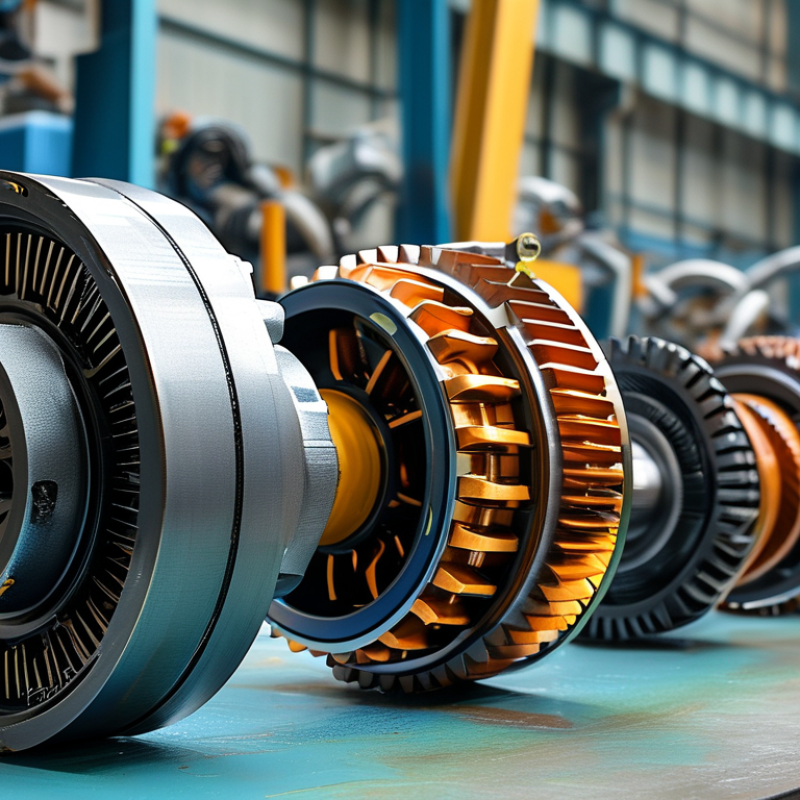
Brushless gear motors offer a range of advantages over traditional brushed motors. One significant benefit is their efficiency. Brushless motors convert electrical energy to mechanical energy with minimal loss. This results in reduced power consumption and longer operational life. They often run cooler, which is crucial for applications that require prolonged use.
Another key advantage is maintenance. Brushless motors have fewer moving parts, eliminating the brushes that wear out over time. This leads to lower maintenance requirements and costs. Users often notice reduced downtime, which can increase productivity. Additionally, the absence of brushes reduces electrical noise, making these motors suitable for sensitive environments like medical equipment.
However, the initial investment in brushless gear motors may be higher. Some buyers hesitate due to the upfront costs. It is important to analyze long-term savings from reduced energy and maintenance costs. Brushless motors also provide smoother operation. Their control algorithms allow for precise speed and torque management. This feature can significantly enhance performance in various applications.
| Benefit | Brushless Gear Motors | Brushed Motors |
|---|---|---|
| Efficiency | Higher efficiency with less energy loss | Lower efficiency due to friction and electrical losses |
| Maintenance | Require minimal maintenance | Require regular maintenance and brush replacement |
| Lifespan | Typically longer lifespan | Shorter lifespan due to brush wear |
| Noise Level | Quieter operation | Noisy operation due to brushes |
| Size and Weight | More compact and lighter | Generally bulkier and heavier |
Brushless gear motors are transforming energy efficiency in various industries. According to a report from the International Energy Agency (IEA), switching to brushless motors can reduce energy consumption by up to 40%. This is significant for manufacturers aiming to cut operational costs. These motors utilize advanced electronic controls, which optimize performance and minimize power waste. This results in longer motor life and lower maintenance costs.
In quantitative analyses, data from the U.S. Department of Energy shows that brushless gear motors have an average efficiency rating of 85-90%. Traditional brushed motors only achieve about 70-75% efficiency. This difference accumulates, especially in applications requiring continuous operation. For example, an operation running 24/7 can save thousands in energy costs annually by using brushless gear motors.
Tip: Regularly monitor your energy usage to gauge the impact of your motor choice.
Potential buyers should also consider that while brushless gear motors typically have a higher initial cost, the long-term savings on energy and maintenance can outweigh these upfront investments. Upgrading may require a learning curve, yet the benefits often justify the effort.
Tip: Evaluate your specific application needs before making a switch to ensure optimal performance and savings.
Brushless gear motors offer significant advantages, particularly in terms of lifespan. Data from industry maintenance studies show that these motors can last considerably longer than their brushed counterparts. Maintenance intervals for brushless gear motors are typically extended, which reduces operational downtime. This longevity is crucial for industries that rely on constant and efficient performance.
One reason for the long lifespan is the absence of brushes, which can wear out over time. This design reduces friction and heat generation, leading to fewer breakdowns. Additionally, brushless motors often incorporate advanced cooling techniques, enhancing their durability. However, users must recognize that while lifespan is increased, proper installation and periodic maintenance are still required. Neglecting these aspects can lead to premature failures.
While the benefits are clear, it's important to remember that not all applications will suit brushless motors. Some environments may not favor their installation due to space or cost constraints. Evaluating specific needs is essential before making a decision. The effectiveness of brushless gear motors hinges on understanding both their strengths and limitations. This balanced approach can help buyers make informed choices.
Brushless gear motors are gaining popularity due to their impressive low noise operation. A recent comparative study revealed that these motors produce less sound than traditional counterparts. This characteristic is essential for applications requiring quiet environments, such as medical facilities or residential areas.
The sound levels of brushless gear motors can be significantly lower, often measured in decibels. Users often report a noticeable reduction in operational noise. However, achieving this quiet operation isn't always straightforward. Some users struggle with installation and tuning, which can lead to unwanted noise if not done correctly. Careful attention to detail during setup can result in a profoundly quieter performance.
Understanding the acoustic performance of brushless gear motors is crucial. It may seem trivial, but background noise can affect productivity and comfort. Potential buyers should consider their specific needs. They might find that, while quiet operation is appealing, the costs and complexities of these systems may not suit all situations. Evaluating noise levels alongside performance metrics can lead to better decision-making in selecting the right motor for their needs.
In the realm of robotics and automation, improved control precision is paramount. Brushless gear motors excel in this area, offering refined performance metrics. According to a recent industry report, these motors provide up to 30% better torque control compared to traditional brushed designs. This precision translates directly into more efficient automated tasks, showcasing stronger accuracy in applications ranging from assembly lines to robotic limbs.
One key benefit is their ability to maintain consistent speed under varying load conditions. This adaptability enhances performance in dynamic environments. A study conducted by the Robotics Industry Association indicates that systems utilizing brushless motors report a reduction in operation variability by approximately 25%. However, this advancement comes at a cost. The intricate design of brushless motors can lead to higher initial investment, which might discourage some buyers.
Moreover, while the reliability of brushless gear motors is impressive, the absence of brushes does not eliminate potential failure points. Many users face challenges regarding thermal management due to increased efficiency. Overheating can unexpectedly compromise control precision, especially in intensive applications. Therefore, understanding both the benefits and limitations of brushless technology is essential for making informed decisions in robotics and automation.
: They offer higher efficiency and longer operational life. They convert energy with minimal loss.
Brushless motors have fewer moving parts, leading to lower maintenance costs and reduced downtime.
Yes, initial costs can be higher. However, long-term savings on energy and maintenance may compensate for this.
It can be reduced by up to 40%. This is advantageous for cutting operational costs.
They typically have an efficiency rating of 85-90%, much higher than 70-75% for brushed motors.
They are ideal for environments requiring precision and low electrical noise, like medical equipment.
Yes, upgrading may require learning new controls. The effort usually pays off in performance.
Regularly check energy usage to understand efficiency and savings.
Yes, evaluating application requirements ensures optimal performance and savings.
Brushless gear motors present several advantages over traditional brushed motors, making them an attractive choice for buyers. One key benefit is enhanced energy efficiency, backed by quantitative analyses that demonstrate significant reductions in power consumption. Additionally, brushless gear motors boast a longer lifespan, supported by industry maintenance data that highlights their durability and lower need for replacement.
Another important advantage is their low noise operation, as comparative studies show reduced sound levels, making them ideal for applications where noise is a concern. Furthermore, brushless gear motors provide improved control precision, which is particularly beneficial in robotics and automation applications. These performance metrics underline why brushless gear motors are becoming increasingly popular across various industries.
