The adoption of DC Brushless Motors in various projects has surged in recent years. These motors promise enhanced efficiency and reduced maintenance costs. With no brushes to wear out, they offer longevity and consistent performance. Engineers and designers appreciate their quiet operation and high torque capabilities.
DC Brushless Motors are suitable for applications ranging from robotics to HVAC systems. Their compact size makes them ideal for space-constrained designs. However, integrating these motors requires careful consideration of control mechanisms, which may pose challenges for some users. It’s essential to weigh the complexities against the benefits.
Investing in DC Brushless Motors can be a game-changer for your projects. While they may come with a higher initial cost, the long-term savings could justify the expense. Understanding the technology behind them is crucial. This knowledge leads to better decision-making and effective implementations. Overall, the move towards DC Brushless Motors reflects a shift towards more sustainable and efficient engineering practices.
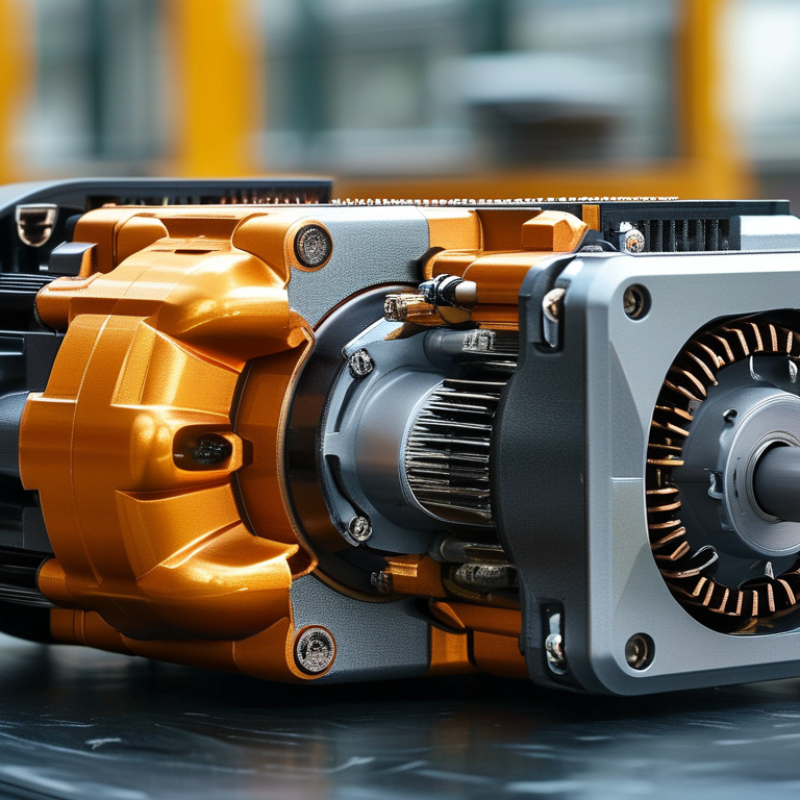
Benefits of Energy Efficiency in DC Brushless Motors
DC brushless motors are becoming essential in modern engineering due to their energy efficiency. According to a report from the U.S. Department of Energy, these motors can improve energy savings by up to 30% compared to traditional brushed motors. This efficiency stems from their design, which eliminates friction and heat loss, leading to better conversion of electrical energy into mechanical energy.
In applications such as electric vehicles or robotics, the implications of these efficiency gains are substantial. For instance, a typical electric vehicle can extend its range significantly when equipped with a brushless motor. A reduction in power consumption directly correlates with longer battery life. However, these motors are not without challenges. They can exhibit issues like increased control complexity and higher upfront costs. Understanding these drawbacks is vital for making informed decisions in projects.
Another critical point is their environmental impact. Research indicates that enhanced energy efficiency leads to lower carbon emissions. The global push for sustainability makes this an attractive option for various industries. However, reliability can sometimes be a concern, as failures in motor controllers may lead to unexpected downtimes. Balancing these factors requires careful consideration and expert knowledge in design and application.
Top 5 Benefits of Using DC Brushless Motors for Your Projects
| Benefit |
Description |
Energy Efficiency (%) |
Lifetime (Hours) |
| High Efficiency |
DC brushless motors operate at higher efficiency compared to brushed motors, reducing energy consumption. |
80-90% |
> 20,000 |
| Low Noise Levels |
These motors produce less mechanical noise, making them ideal for applications requiring quiet operation. |
- |
> 20,000 |
| Compact Size |
DC brushless motors are generally more compact, allowing for more design flexibility in various projects. |
- |
> 20,000 |
| Less Maintenance |
With no brushes to wear out, these motors require less maintenance over their lifespan. |
- |
> 20,000 |
| Better Speed Control |
DC brushless motors provide precise control over speed and torque, enhancing performance in various applications. |
- |
> 20,000 |
Enhanced Longevity: The Durability of DC Brushless Motors
DC brushless motors are known for their enhanced longevity, a crucial factor in many engineering projects. Reports indicate that these motors can last up to 50,000 hours or more, significantly outpacing traditional brushed motors. This durability stems from their design, which eliminates mechanical friction found in brushed versions. In high-performance applications, this reduction in wear leads to fewer failures and less frequent maintenance.
The durability of DC brushless motors is also linked to their ability to operate effectively across a wide range of temperatures. Testing shows that they can handle environments from -40°C to 85°C. Such resilience makes them suitable for various applications, from robotics to HVAC systems. However, it's essential to contemplate the initial cost. While DC brushless motors may require a higher upfront investment, their long-term benefits often outweigh these costs due to reduced replacement needs.
Furthermore, the efficiency of these motors contributes to their longevity. Industry analyses reveal that DC brushless motors can achieve efficiencies of up to 90%. This means less energy waste and heat generation, which can otherwise lead to premature failure. Yet, users must consider proper installation and design parameters to maximize these benefits. Inadequate implementation can negate the advantages of durability and efficiency.
Noise Reduction: The Quiet Operation Advantage of Brushless Motors
DC brushless motors are known for their silent operation, making them a great choice for various applications. Their design minimizes vibrations and noise, providing a peaceful environment. This feature is particularly beneficial in settings like hospitals and libraries, where quiet is essential. Users can enjoy reliable performance without disruptive sounds.
In precision tasks, noise can affect outcomes. Brushless motors excel in this regard, ensuring minimal interference. They run smoothly, allowing for greater focus on projects. While many appreciate their quiet nature, some might question the cost versus performance ratio. However, the long-term benefits, such as durability and energy efficiency, often outweigh initial concerns.
Venturing into quieter technology can lead to a more enjoyable user experience. Brushless motors contribute significantly to this need for silence. Yet, one must consider the installation process, as it may require careful planning. Investing time upfront can pay off handsomely in the long run. The advancement in motor technology deserves reflection and attention.
Top 5 Benefits of Using DC Brushless Motors - Noise Reduction
DC brushless motors are known for their superior performance and quiet operation. The chart below illustrates the noise levels (in decibels) of different motor types under similar conditions, emphasizing the noise reduction advantage of brushless motors.
Precise Control: Improved Performance for Various Applications
DC brushless motors offer significant advantages, particularly in precise
control. These motors excel in applications requiring high accuracy, such as robotics and automation.
According to a recent report by the International Electromechanical Commission, brushless DC motors can achieve
position accuracies of up to 0.1 mm. This precision minimizes errors and enhances
overall performance.
In applications like CNC machining, the reliability of motion control systems is critical. Brushless motors maintain
smooth operation under varying load conditions. This makes them ideal for tasks where consistent performance
is paramount. Their design reduces noise and wear, which can become a concern in high-speed operations. However,
users must acknowledge that initial investment and complex
control systems may pose challenges.
Tip: When selecting a DC brushless motor, carefully evaluate its speed-torque characteristics.
These parameters are crucial for achieving optimal efficiency in your specific application.
Effective heat management is another aspect to consider. Brushless motors can run hot if not properly cooled.
This is particularly important in enclosed environments. Users may overlook thermal dynamics, leading to
equipment failure.
Tip: Utilize heat sinks or cooling fans to improve thermal performance. Regular monitoring of motor temperature can
prevent overheating issues.
Incorporating DC brushless motors into your projects can enhance operational efficiency. Yet, understanding these
nuances is vital for staying ahead in a competitive landscape.
Simplified Maintenance: Low Upkeep Requirements of Brushless Motors
DC brushless motors are becoming a popular choice among engineers and hobbyists alike. One of the standout advantages of these motors is their simplified maintenance. Unlike traditional brushed motors, brushless motors do not have brushes that wear out over time. This leads to reduced friction and less heat generation, meaning they can run longer without requiring replacement parts.
According to a recent industry report by Research and Markets, the global brushless motor market is expected to grow at a CAGR of 8.8% from 2022 to 2027. This growth highlights the increasing reliance on these motors for various applications, from robotics to automotive systems. With fewer components needing maintenance, users save both time and money. Less maintenance translates to higher operational efficiency as well.
While the low upkeep requirement is appealing, some challenges exist. For instance, brushless motors can be more expensive upfront than their brushed counterparts. This initial investment may cause hesitation among budget-conscious projects. However, the long-term savings often outweigh the initial costs. In environments where reliability is critical, the reduced need for maintenance makes brushless motors an advantageous option.
FAQS
: They operate quietly, reducing vibrations and noise.
They are ideal for hospitals and libraries, where quietness is essential.
Their quiet nature minimizes interference, allowing for better focus.
Yes, despite higher initial costs, their durability and energy efficiency provide long-term savings.
They require less upkeep since they lack brushes that wear out.
They can be more expensive upfront, which may concern budget-conscious users.
Yes, it may require careful planning to ensure successful integration.
Less maintenance means higher efficiency, saving time and money for users.
Their increasing reliance in various applications highlights their rising popularity.
While they offer many advantages, upfront costs can be a barrier for some projects.
Conclusion
DC Brushless Motors offer a range of significant benefits that make them an excellent choice for various projects. One of the primary advantages is their energy efficiency, which can lead to reduced operational costs and a smaller carbon footprint. Additionally, the enhanced longevity of DC Brushless Motors ensures that they have a longer lifespan compared to traditional motors, saving both time and resources in replacements.
Another key benefit is their noise reduction capability, providing quiet operation that is ideal for applications requiring minimal sound. These motors also provide precise control, resulting in improved performance across diverse applications. Lastly, the simplified maintenance requirements of DC Brushless Motors make them an attractive option by minimizing upkeep efforts and associated costs. Overall, the combination of these factors positions DC Brushless Motors as a superior solution for many technical needs.
 Taunton Motors
