Taunton Motors
Taunton Motors
Taunton Motors
Engineered for close-loop robotic systems, medical dosing instruments, and demanding subsea tracking mechanisms.
Norway is a global leader in utilizing high-tier engineering to solve complex environmental and mechanical challenges. With robust offshore oil & gas extraction, advanced deep-sea maritime exploration, highly automated aquaculture sectors, and expanding renewable wind installations, the nation demands drive systems that operate faultlessly under extreme parameters. In these segments, simple open-loop motors are no longer sufficient. Modern systems demand absolute positioning, real-time speed monitoring, and a high degree of integration with PLC or microcontroller-based automated layouts.
This is where the motor with encoder configuration becomes essential. By providing micro-level pulse feedback, encoders allow engineers to design closed-loop control systems that ensure mechanical operations are performed exactly as programmed, despite external loads or changing variables. For Norwegian industries operating in the harsh weather patterns of the North and Norwegian Seas, the structural reliability of these systems is non-negotiable. Whether it is controlling hydraulic valve bypass actuators, handling fish-farming feed dispenser calibration, or driving miniature cameras on deep-ocean Remotely Operated Vehicles (ROVs), the motor must guarantee zero-slippage operation, extreme durability, and low maintenance overheads.
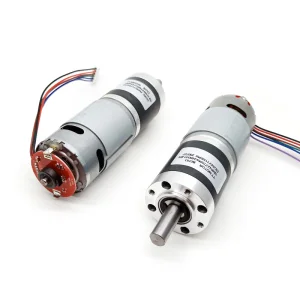
Subsea exploration and extraction require equipment that can withstand immense pressure, thermal shocks, and highly saline water environments. Encoders integrated into these environments must be sealed, often utilizing robust magnetic sensors rather than delicate optical glass disks. By selecting materials with matched thermal expansion coefficients, and utilizing precision-balanced gear trains, motors are protected against early wear. High pulses-per-revolution (PPR) encoders, such as the 4096ppr micro motors, enable exact adjustments down to a fraction of a degree, preventing positioning errors in critical mechanical joints.
Aquaculture operations along the Norwegian coastline rely on automated feeding grids that work 24/7. Speed variations in the motor drive can lead to over-feeding or under-feeding, affecting aquaculture yields. Using a permanent magnet gear motor with a built-in Hall-effect encoder ensures the control loop is fed precise real-time speed metrics. Furthermore, low-temperature compatibility (down to -25°C) is required for coastal outdoor control boxes, placing high demands on the internal lubrication and material integrity of the drive components.
Across the globe, the transition toward Industry 4.0, autonomous logistics, and intelligent robotics has accelerated the demand for smart drive units. Globally, the motor with encoder market is evolving from basic rotational drivers to complex mechatronic systems that combine motors, gearboxes, absolute or incremental encoders, and communication buses into a single module. In countries with high labor costs like Norway, automation is the key driver of competitiveness, which places a high emphasis on the quality and longevity of these components.
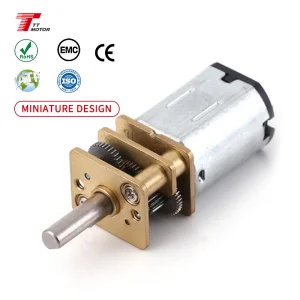
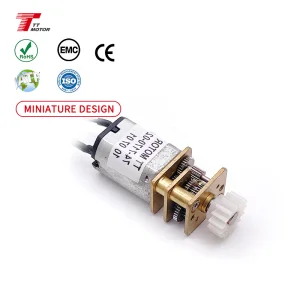
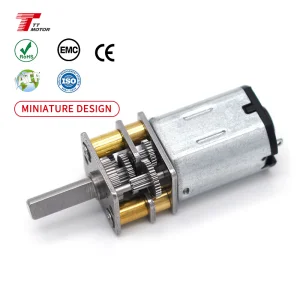
From a global supply perspective, China has built an unparalleled manufacturing ecosystem. The capability of Chinese precision factories to deliver customized miniature geared motors, such as N20 micro series, GM20, and GMP36 planetary variants, allows global businesses to receive highly specialized machinery at optimal cost-performance ratios. High-precision gear hobbing, automatic winding, and CNC machining centers in China now operate with Swiss and Japanese levels of accuracy, guaranteeing consistent dimensional tolerances and dynamic stability.
Incremental encoders output a sequence of pulses that help calculate relative position and speed, which is cost-effective and highly reliable. Hall-effect incremental encoders use dual-channel magnetic sensors to determine both the direction of rotation and velocity, offering exceptional durability in high-vibration and humid environments. On the other hand, absolute encoders provide the unique position of the shaft upon system boot, which is critical for complex surgical robotics or heavy industrial valves where a homing cycle is impossible or dangerous. Understanding this division is critical for project managers looking to procure the correct motor series.
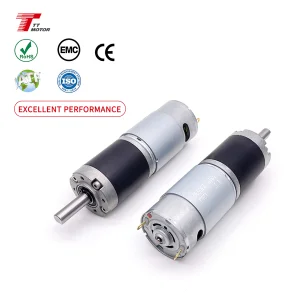
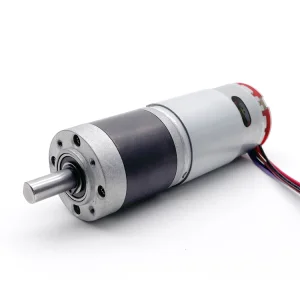
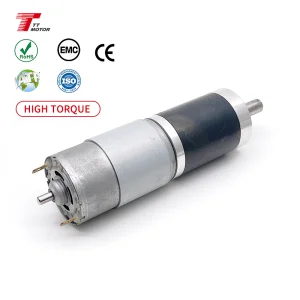
For applications needing high torque in compact dimensions, planetary gearboxes are the industry standard. By distributing the mechanical load across multiple planet gears, stress concentration is minimized, resulting in high mechanical efficiency (often up to 90%) and lower backlash. Spur gearboxes are typically utilized for lower torque, cost-sensitive operations. Coupling planetary gearboxes with high-resolution encoders allows engineers to construct high-density torque packages that fit within narrow robotic shafts or miniature linear actuators.
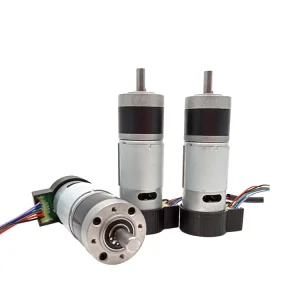
High-load gearboxes coupled with heavy-duty feedback encoders for rugged marine deck equipment and industrial valve control in Stavanger and Bergen.
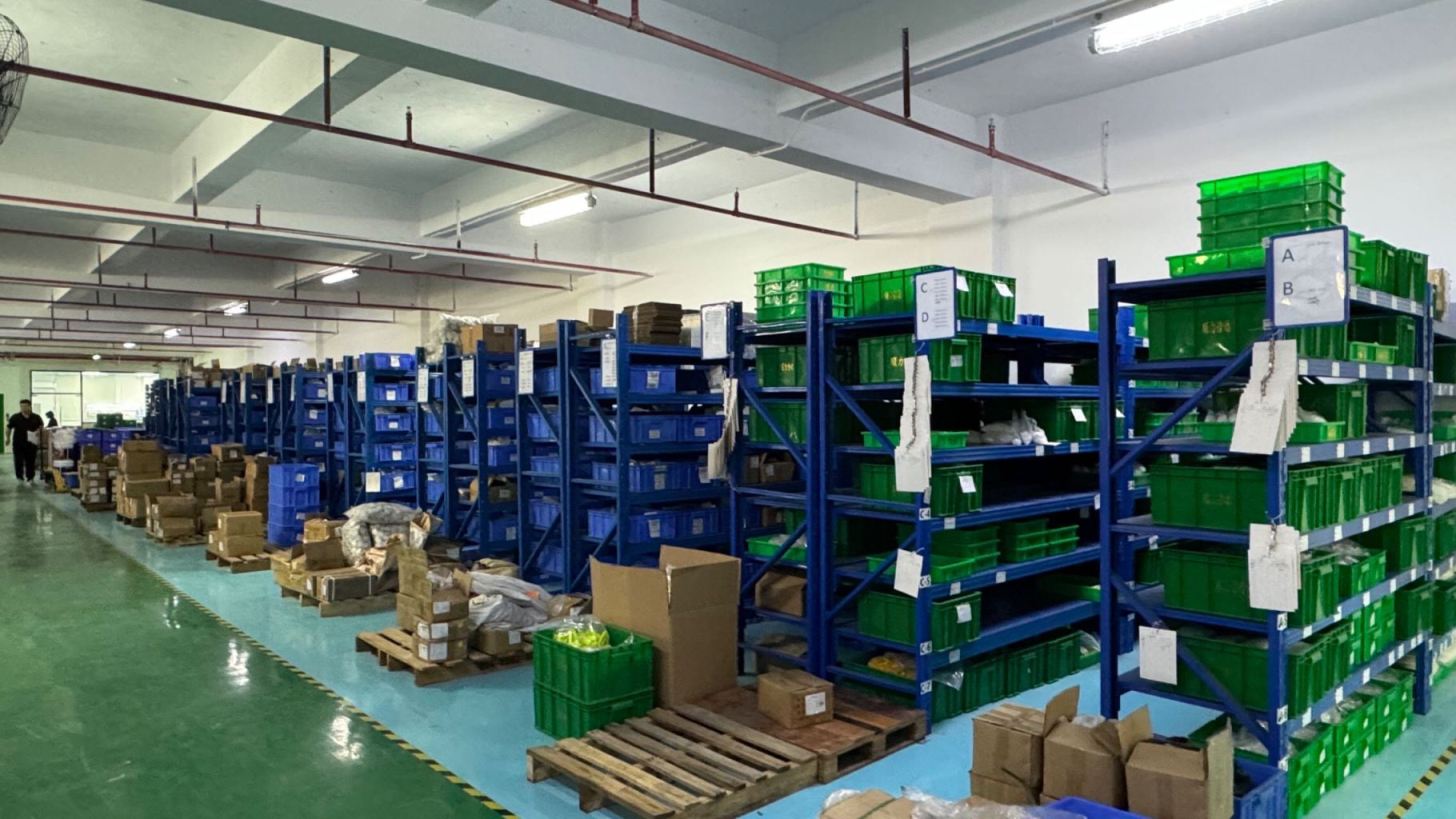
At Taunton Motors, we measure our success in micrometers and decibels. We understand that inside a premium robotic joint, a medical dosing pump, or a high-end smart lock, space is the ultimate luxury. Our mission is to pack maximum torque, unyielding durability, and near-silent acoustics into the most compact footprints imaginable.
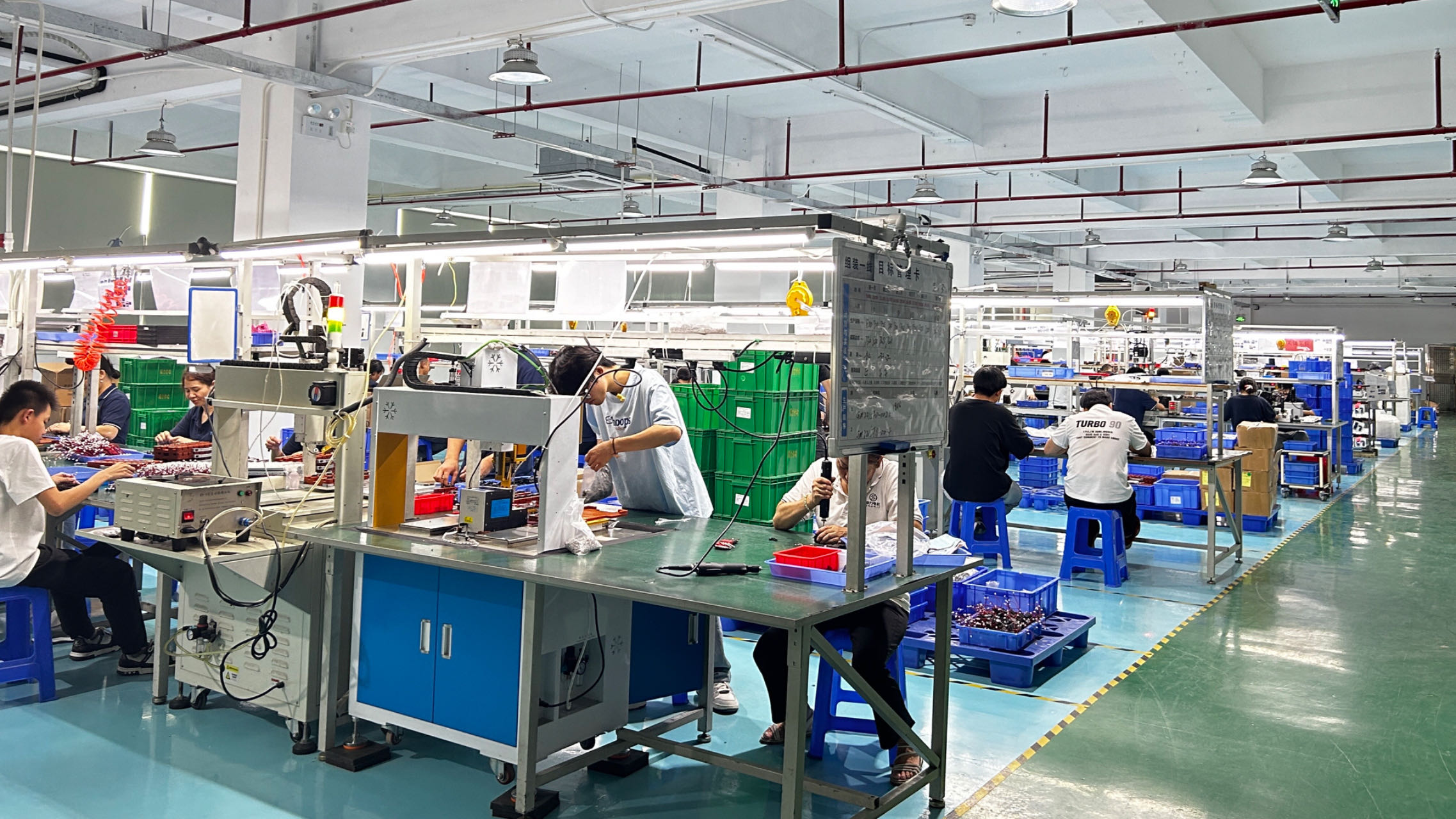
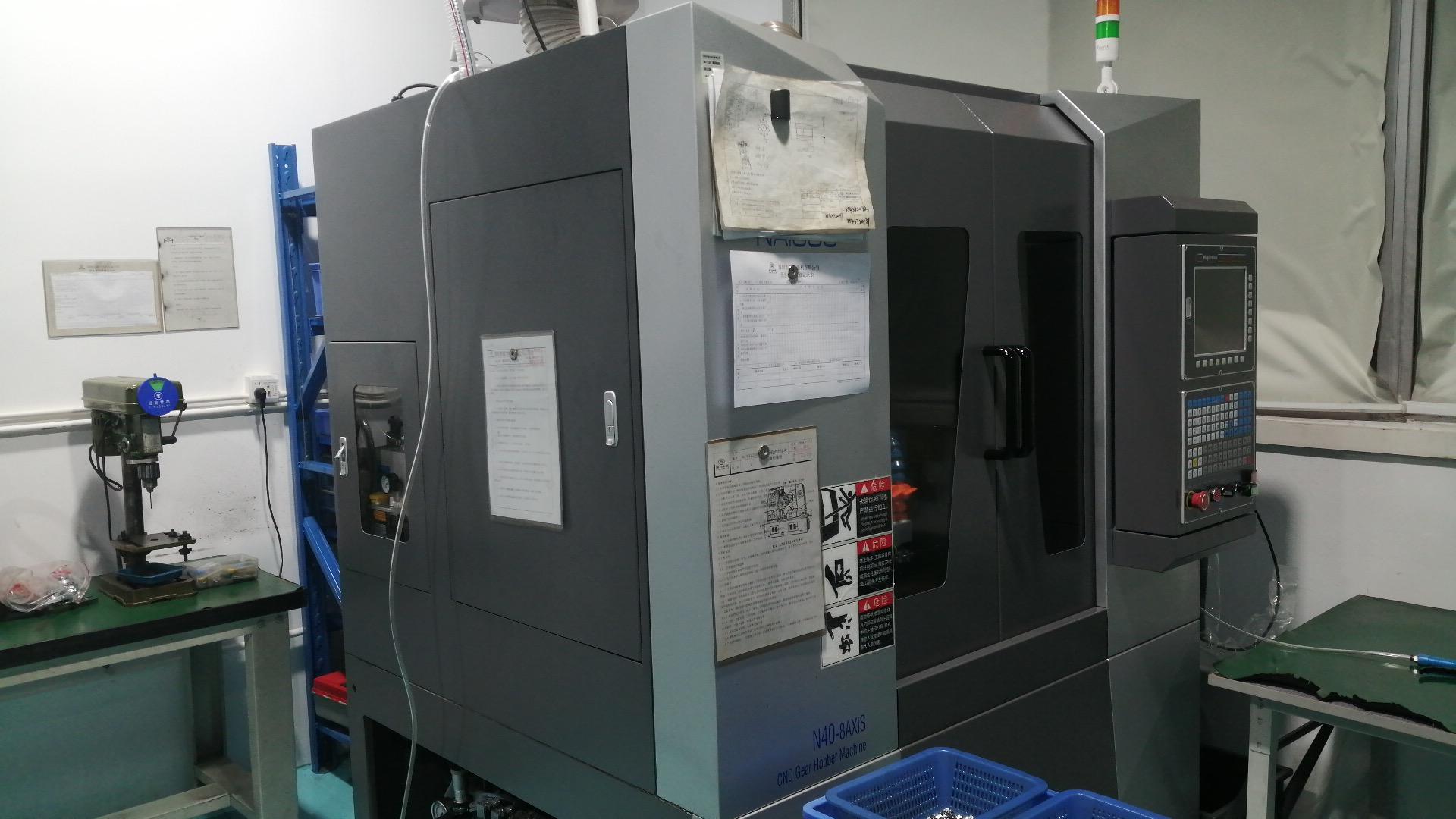
Our expertise lies in the harmony of miniature engineering. From precision-wound rotors and high-purity copper commutators to custom-designed planetary gearheads, every component inside a Taunton Motors micro motor is optimized for low energy consumption and a friction-free lifespan. We constantly push the limits of micro-drive tech, utilizing advanced automated Swiss-style hobbing and Japanese dynamic balancing to ensure that our internal gear trains operate with zero-backlash precision. When the integrity of your high-tech device hangs on repeated mechanical perfection, Taunton Motors delivers the silent power that anchors your design.

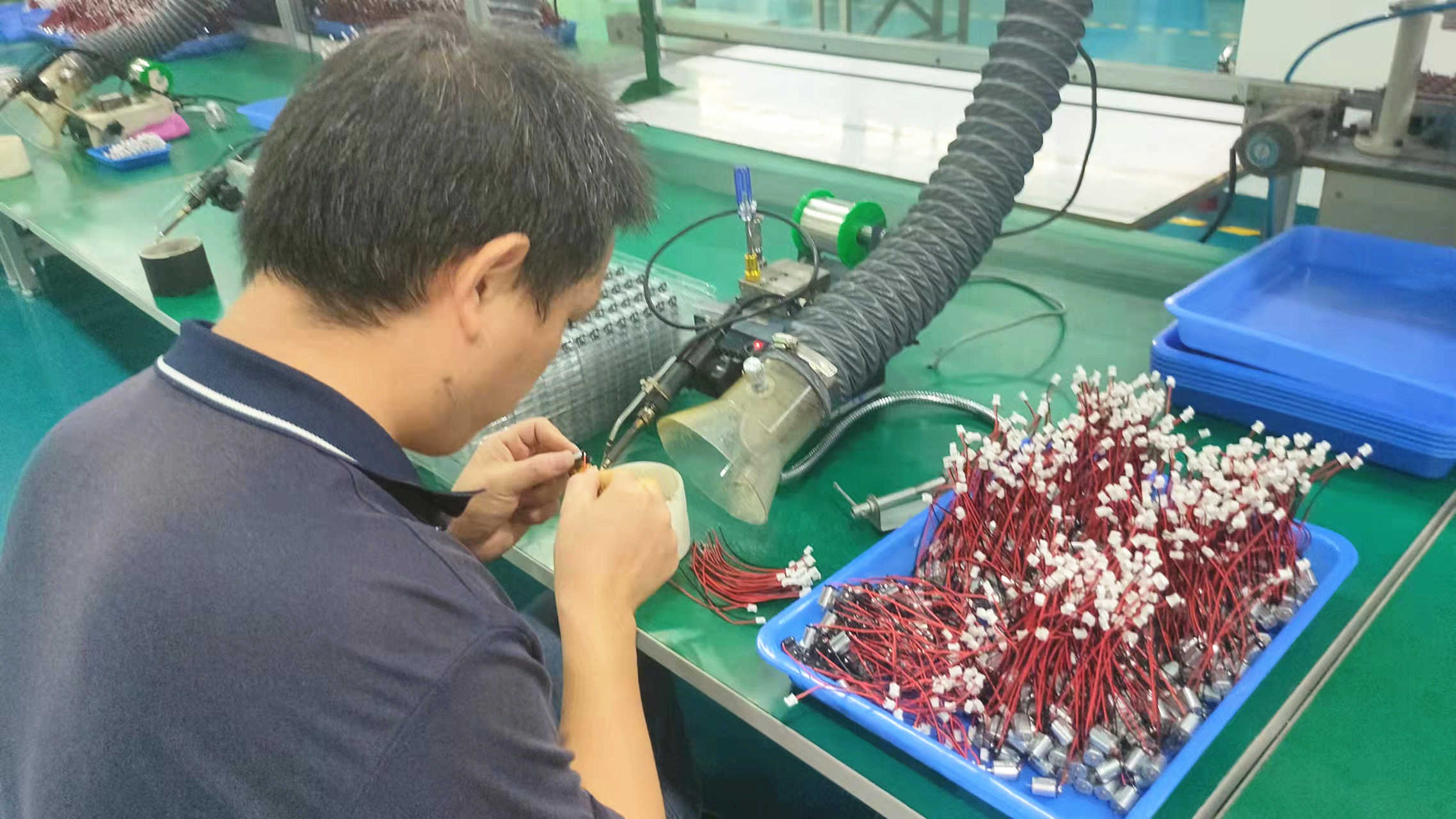
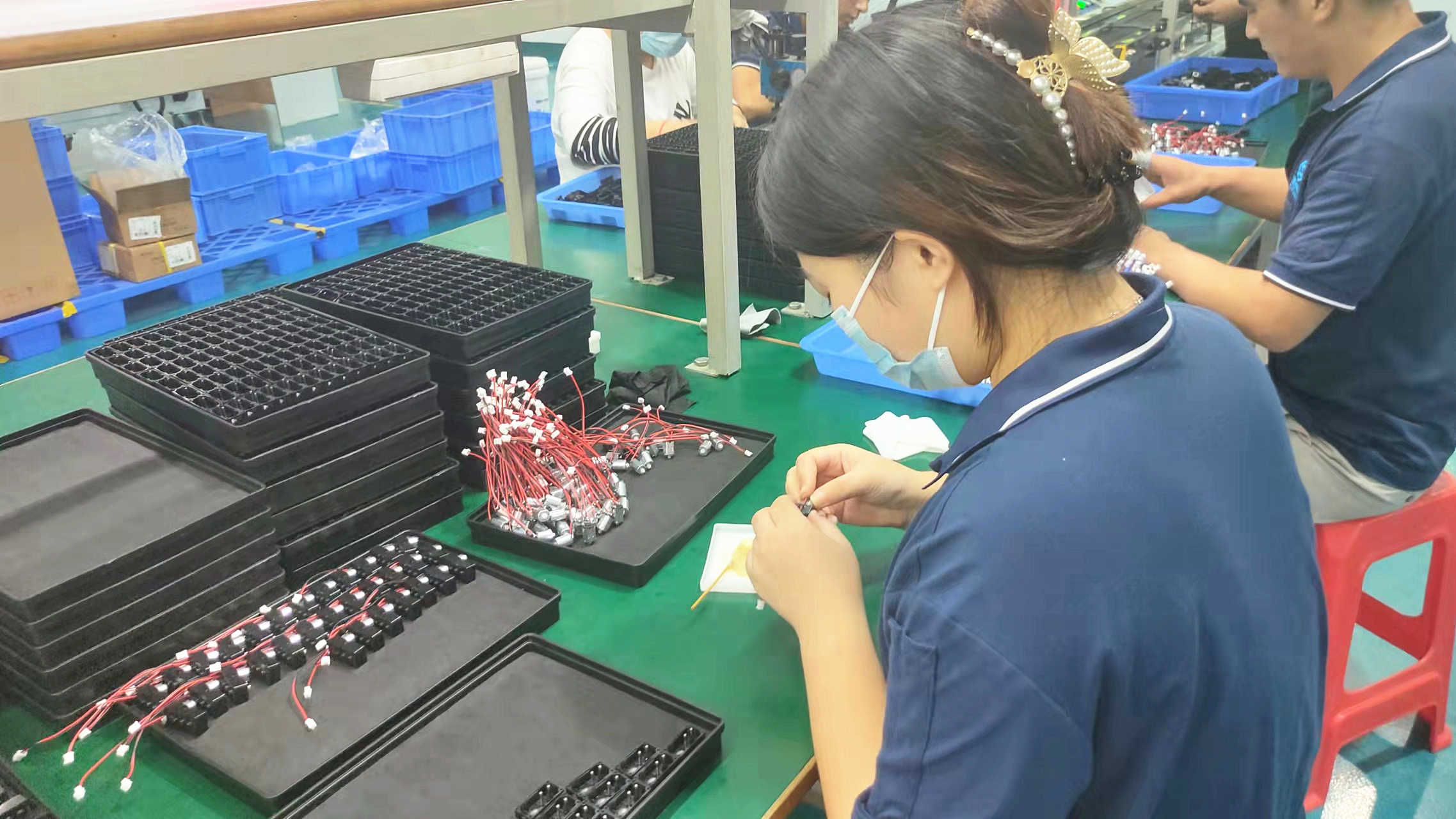
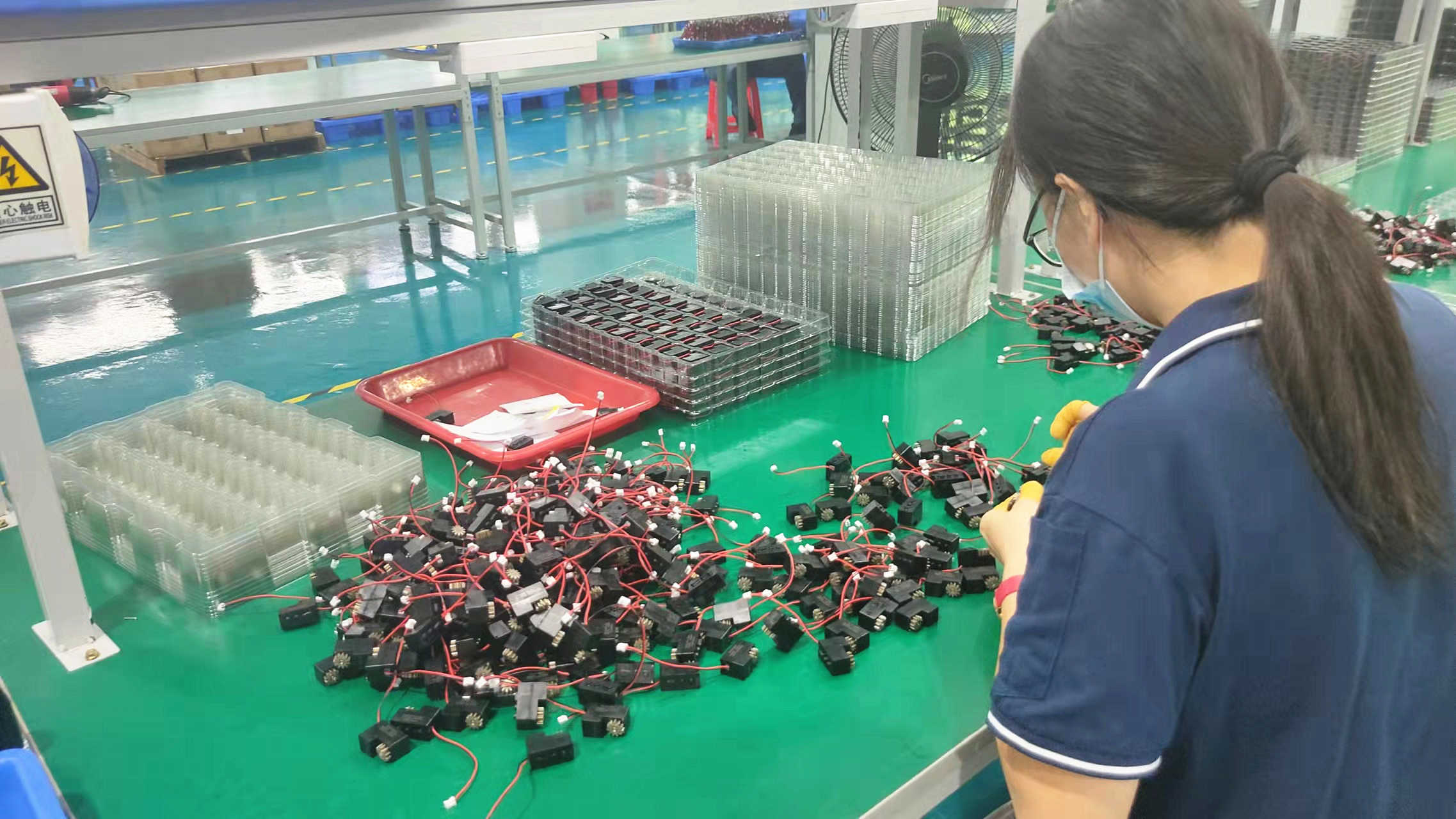
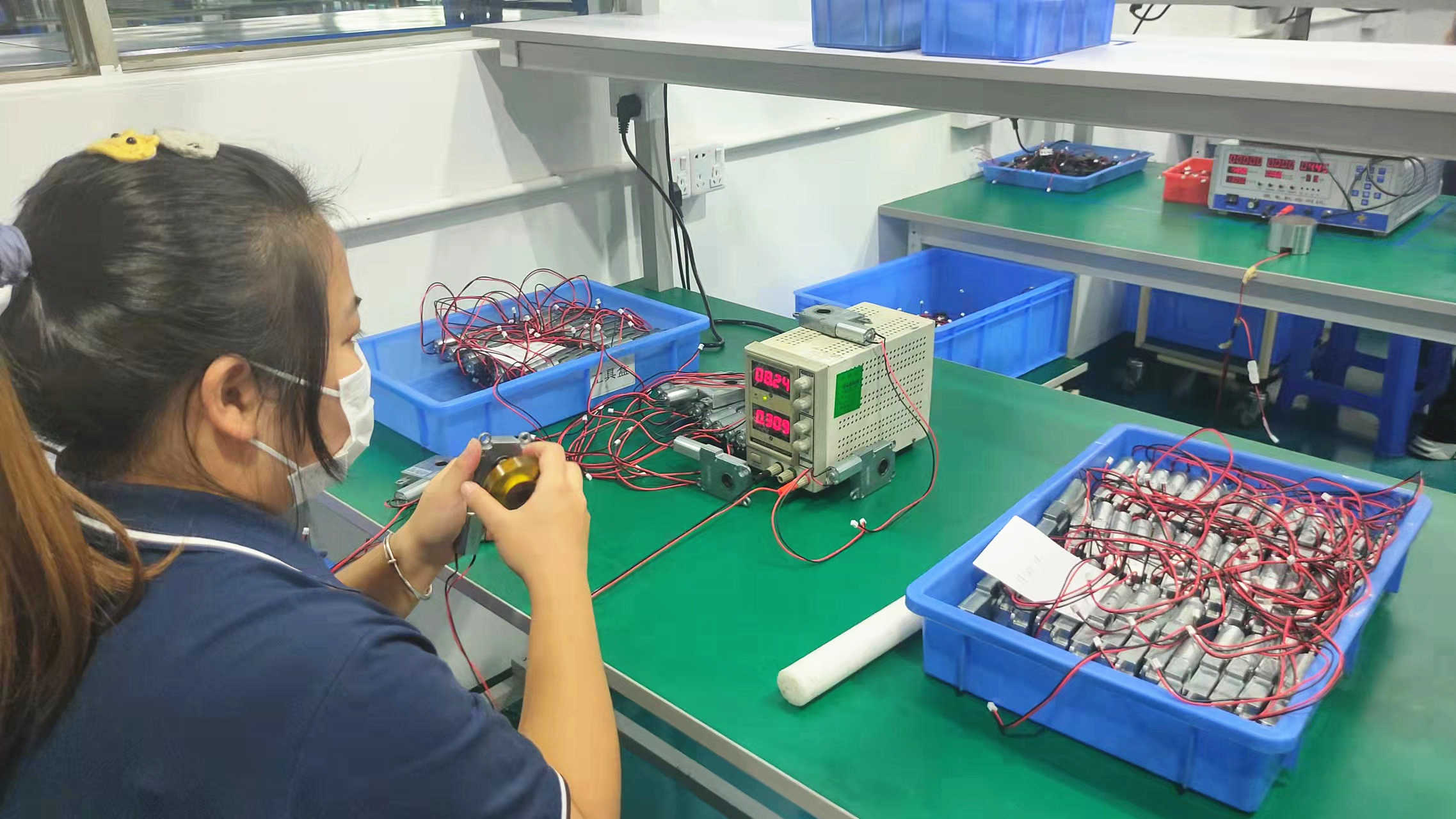
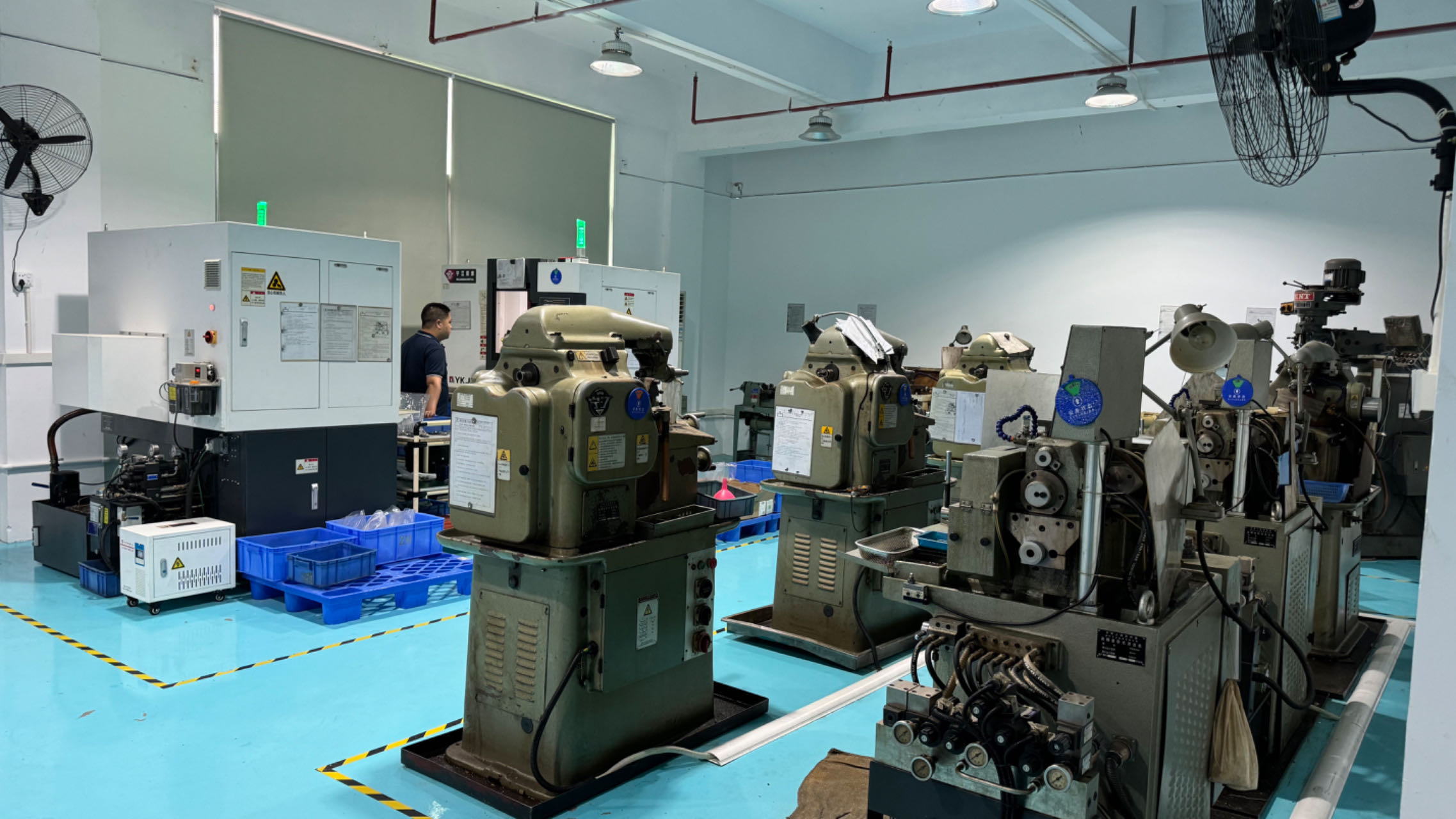
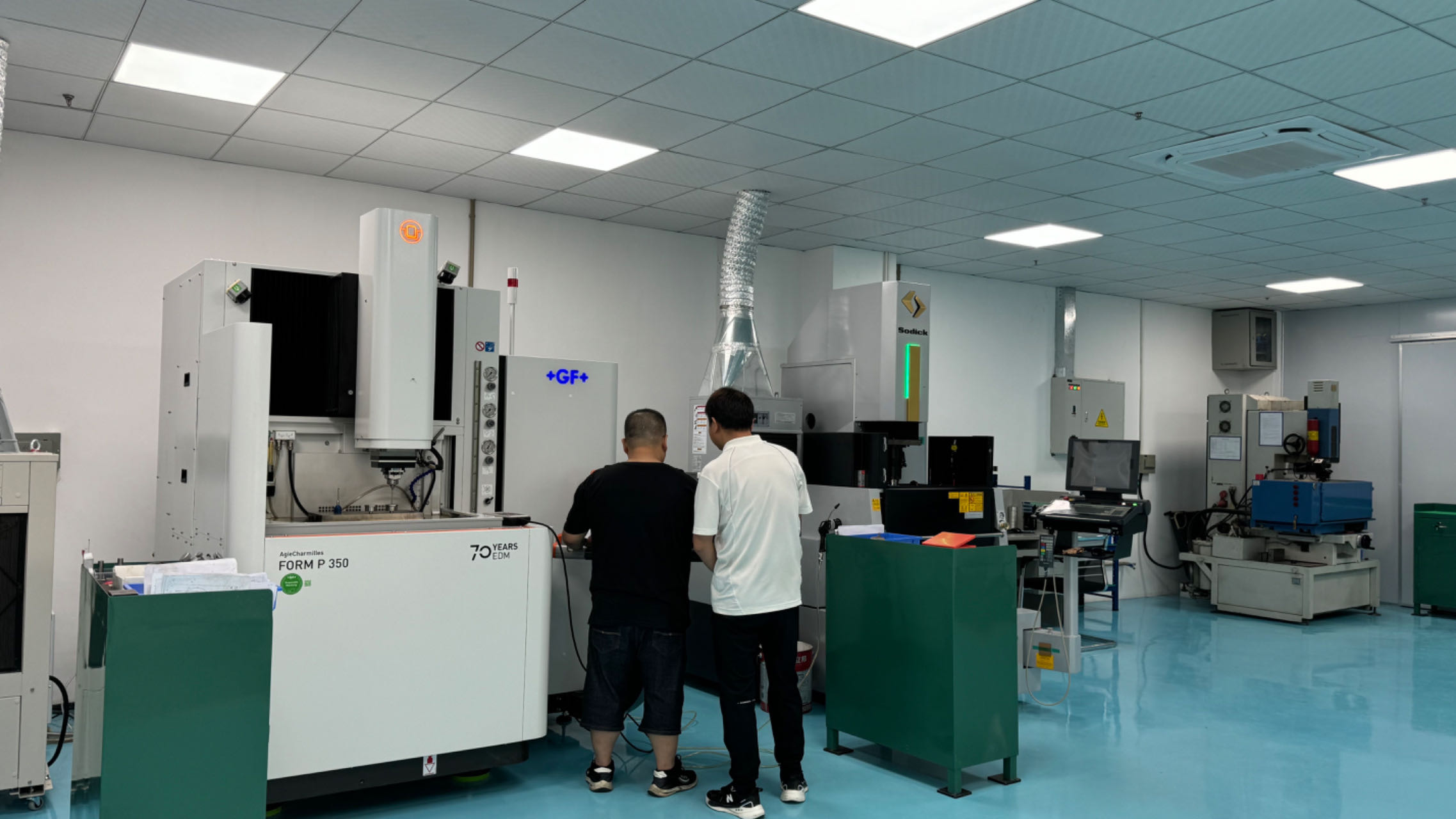
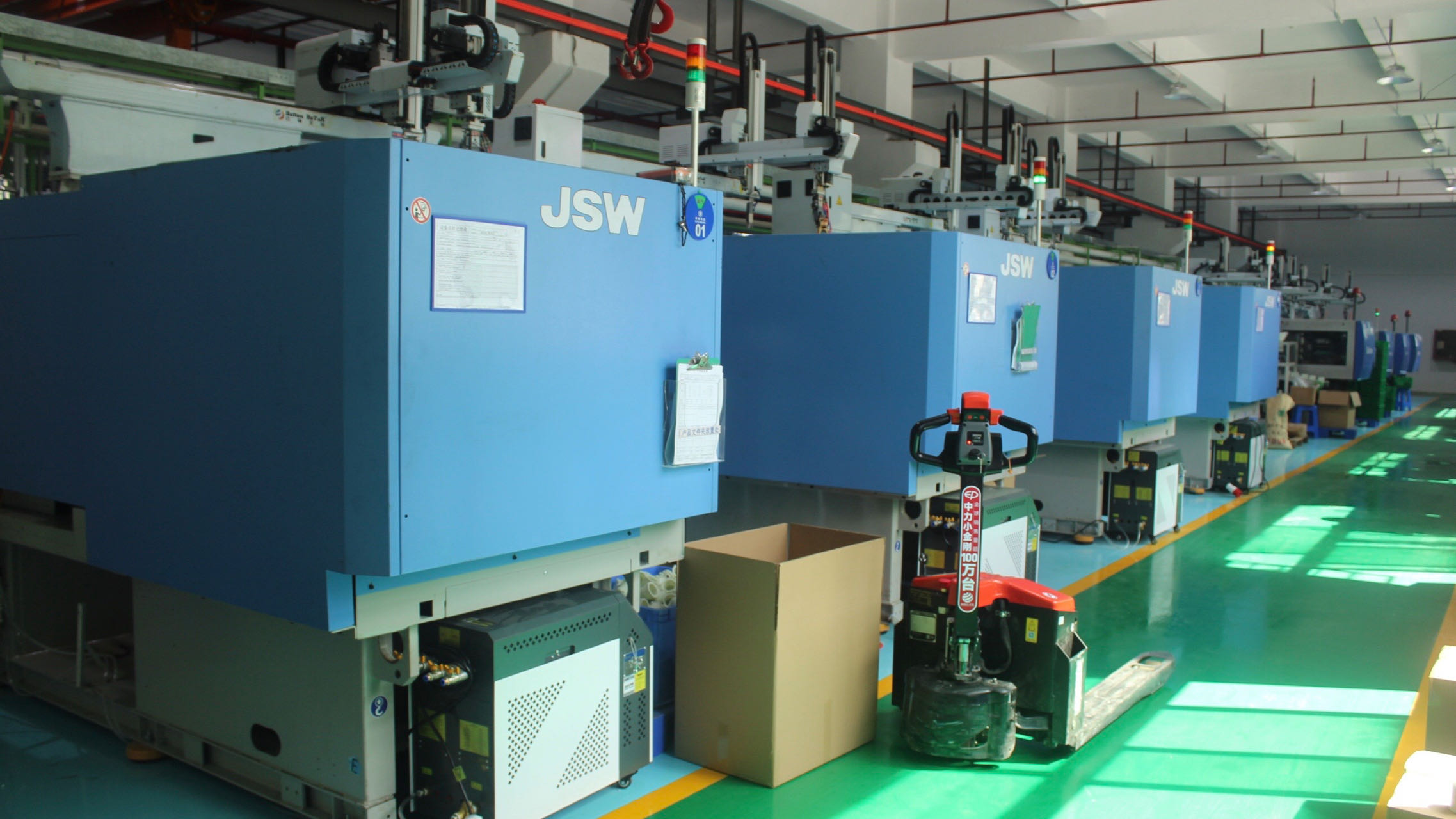
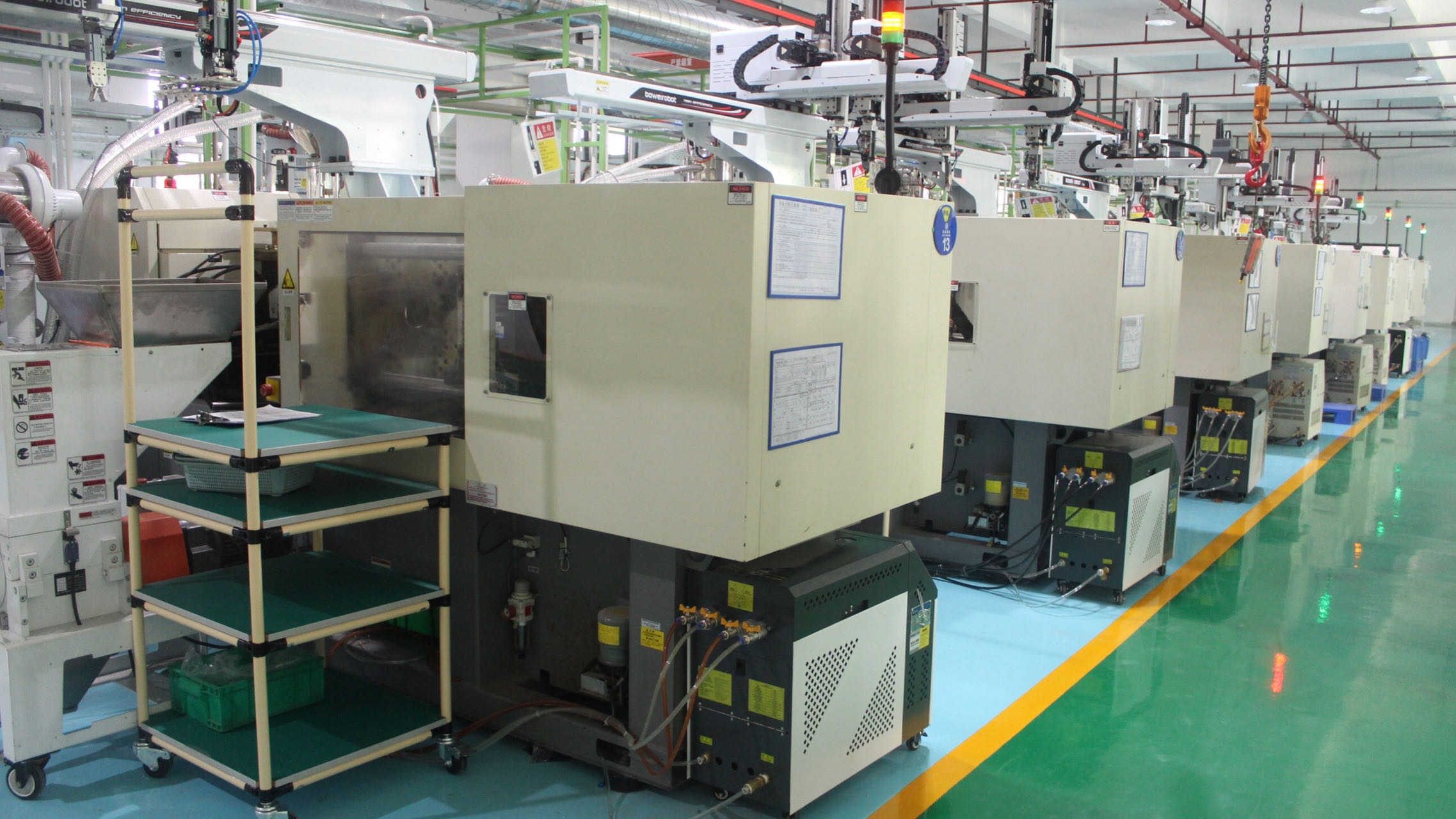
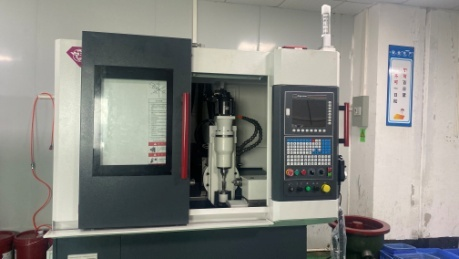
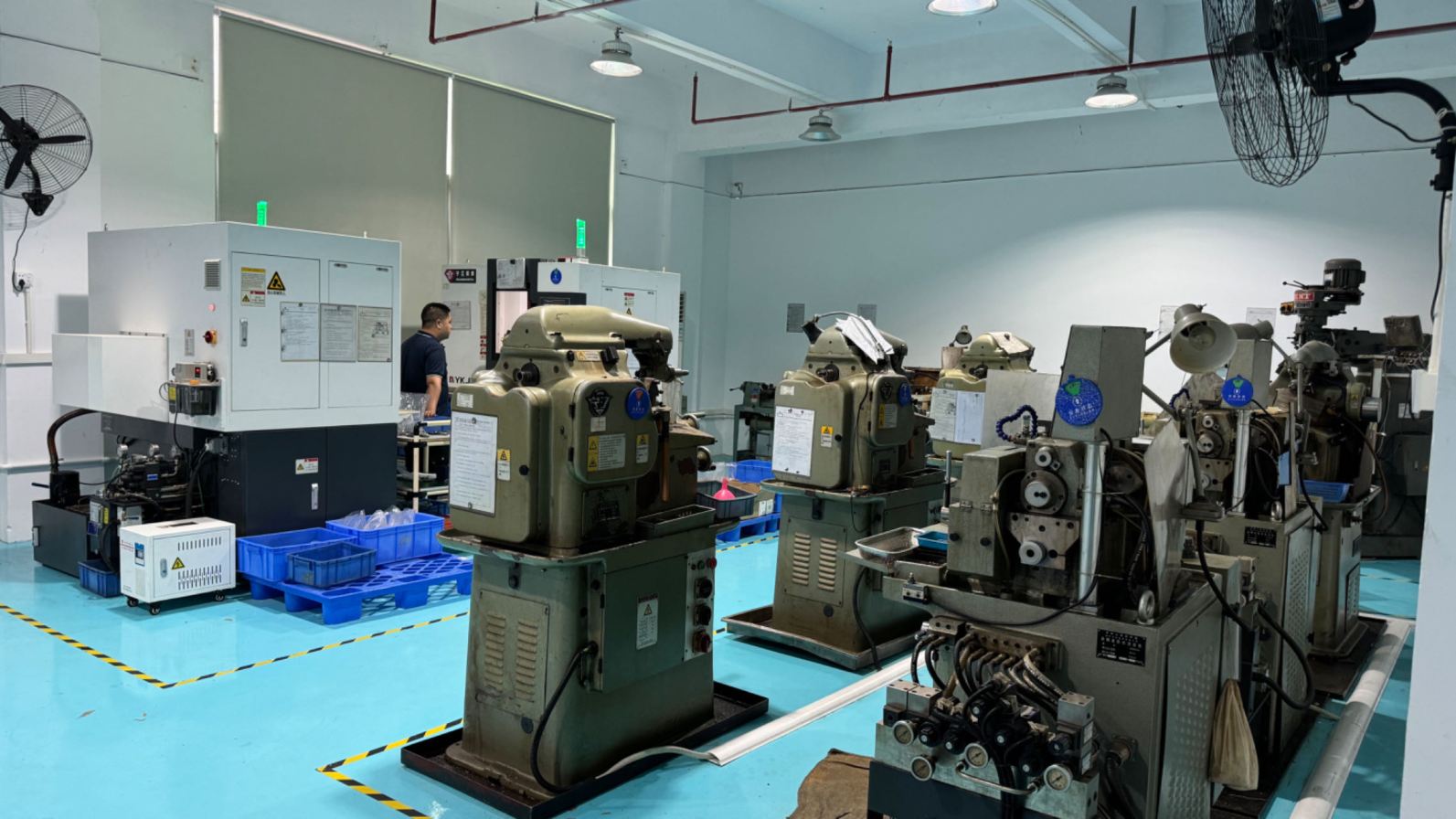
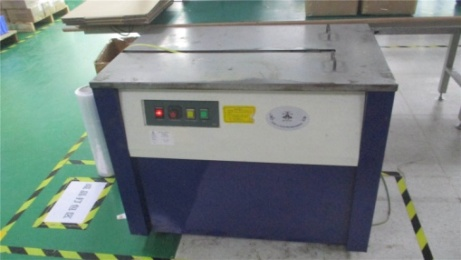
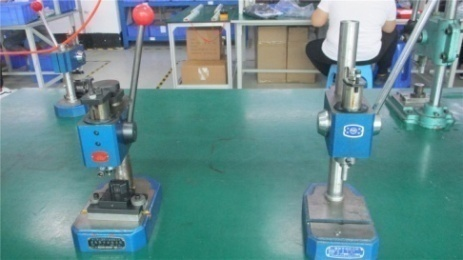
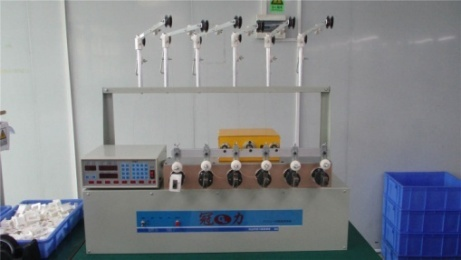
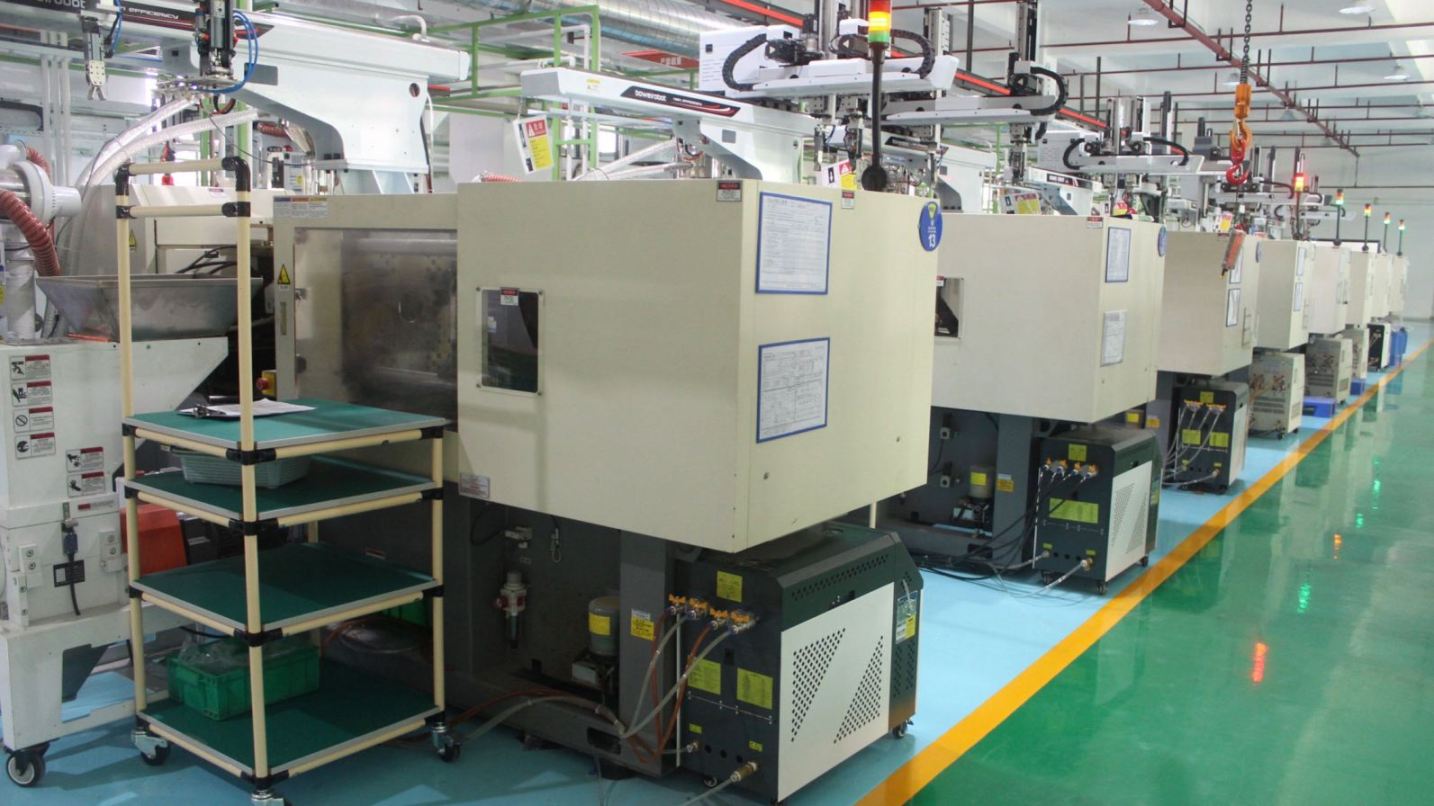
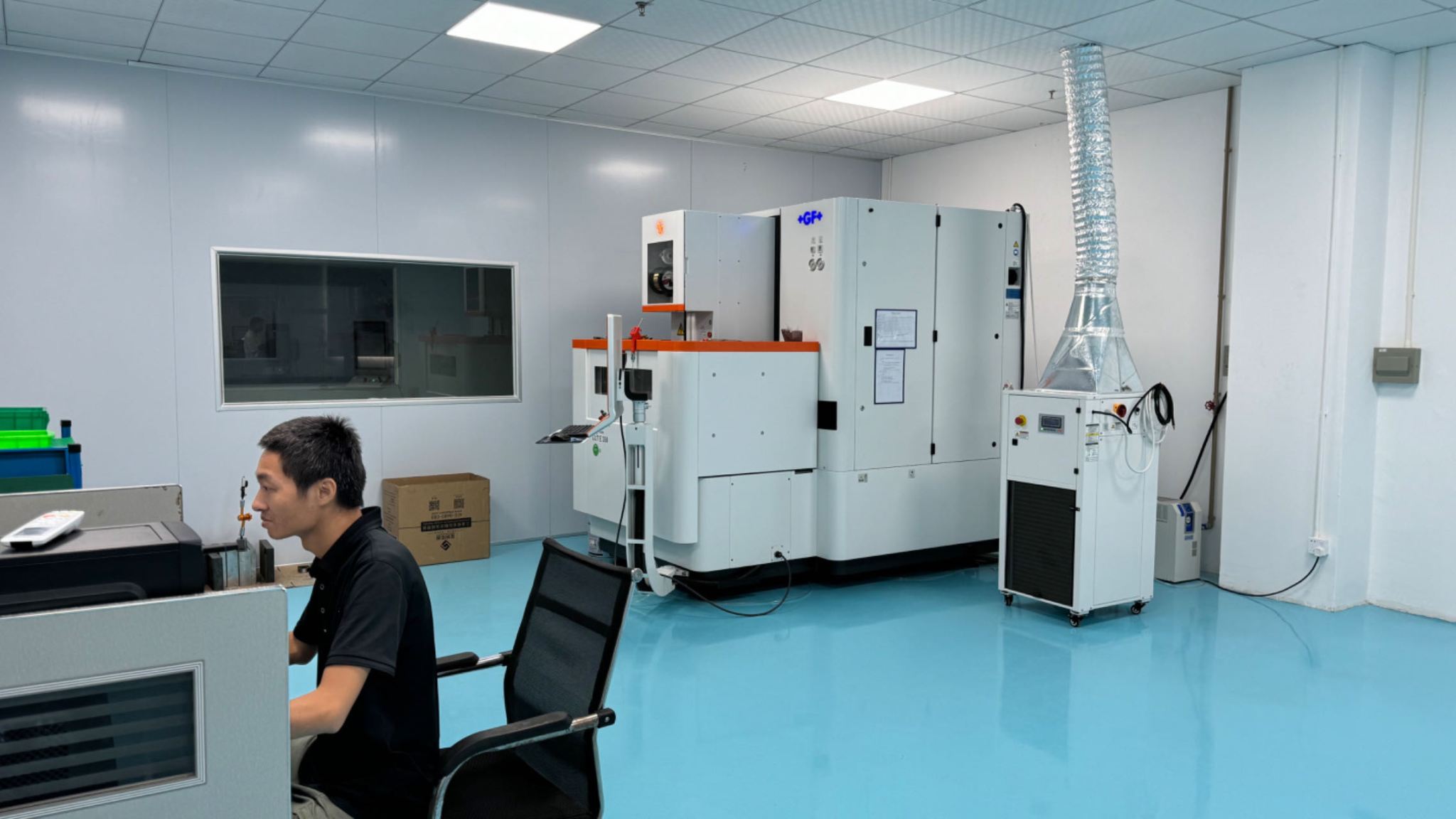
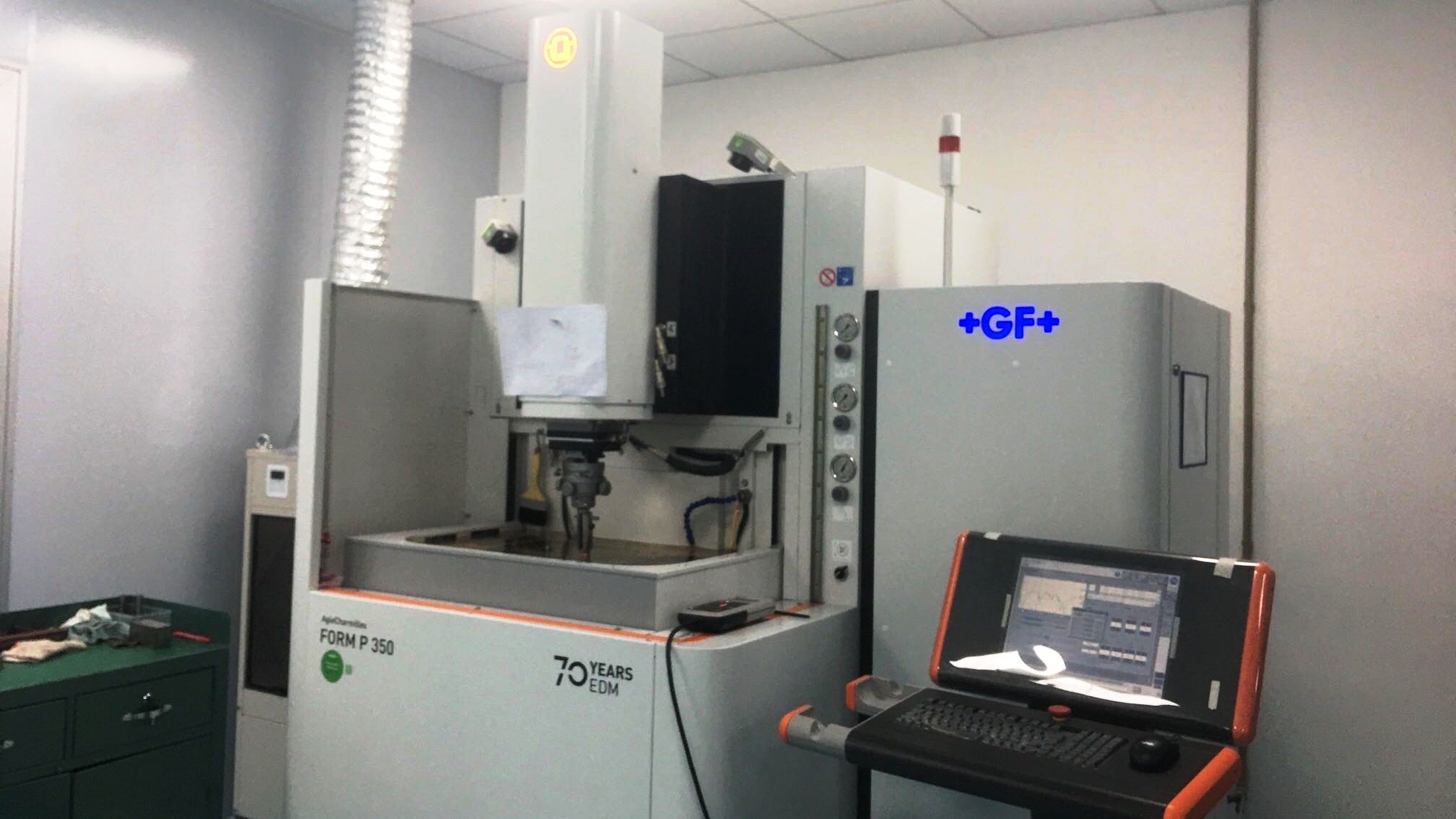
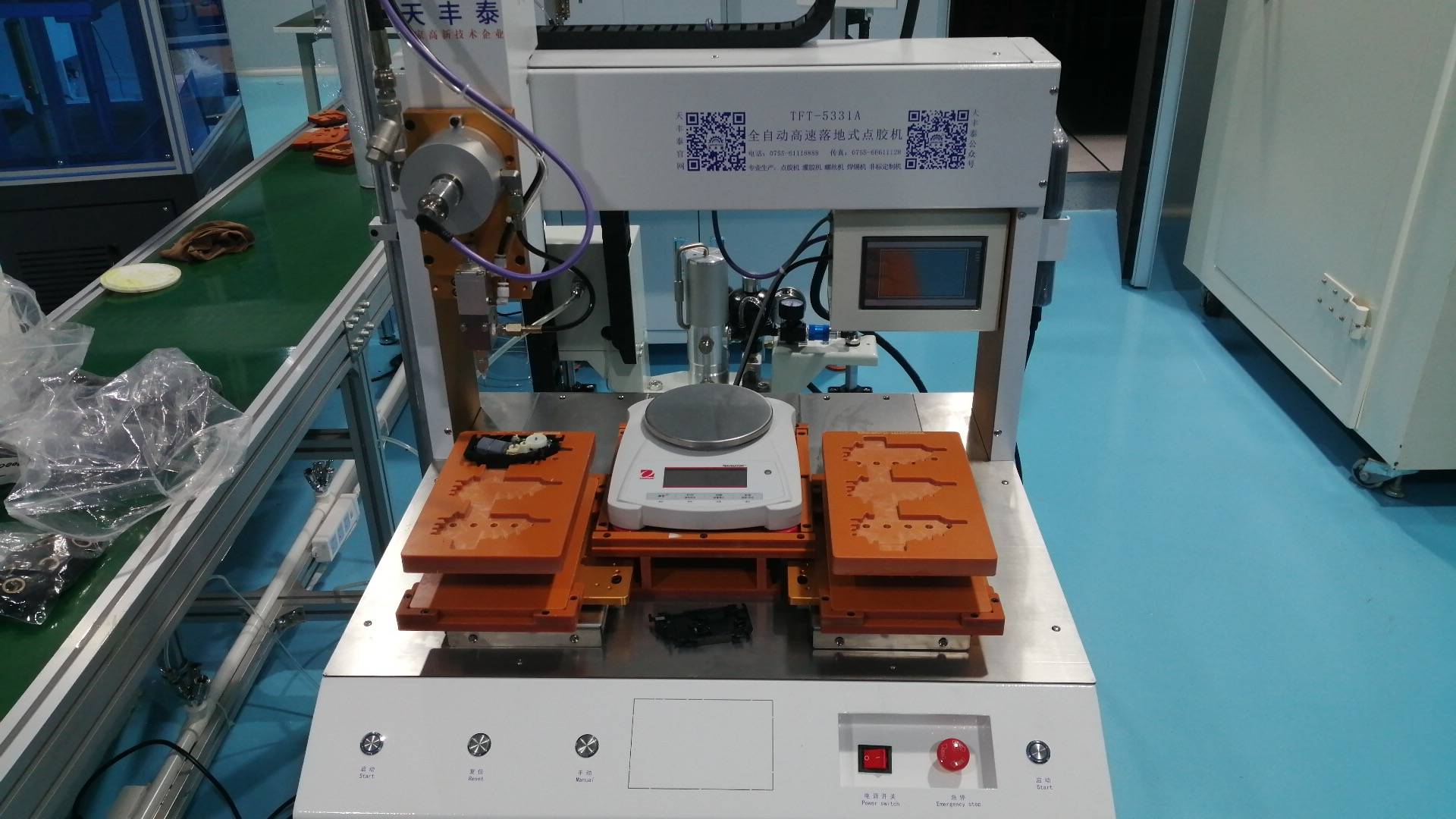
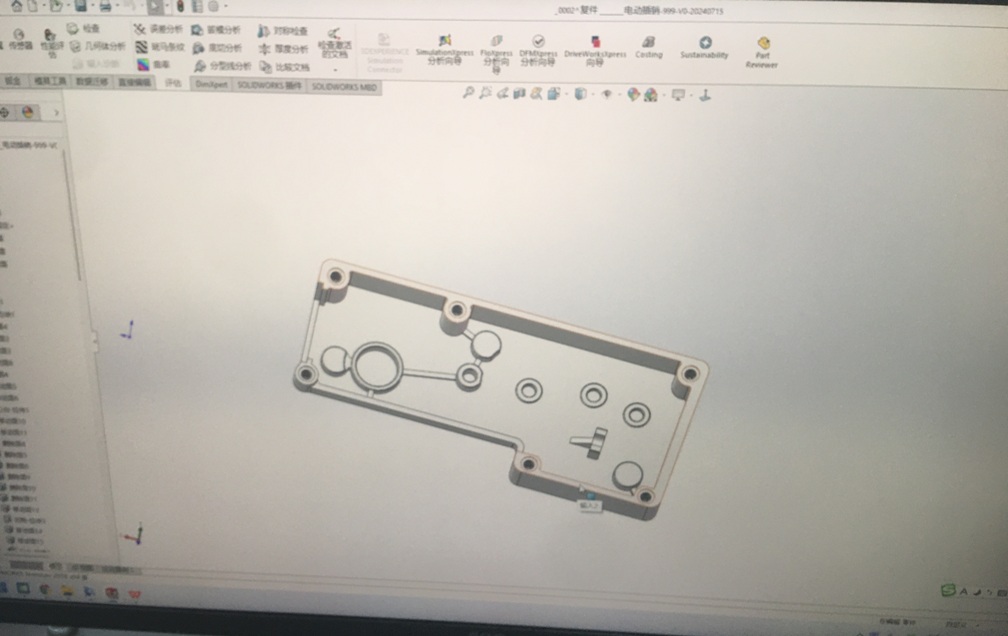
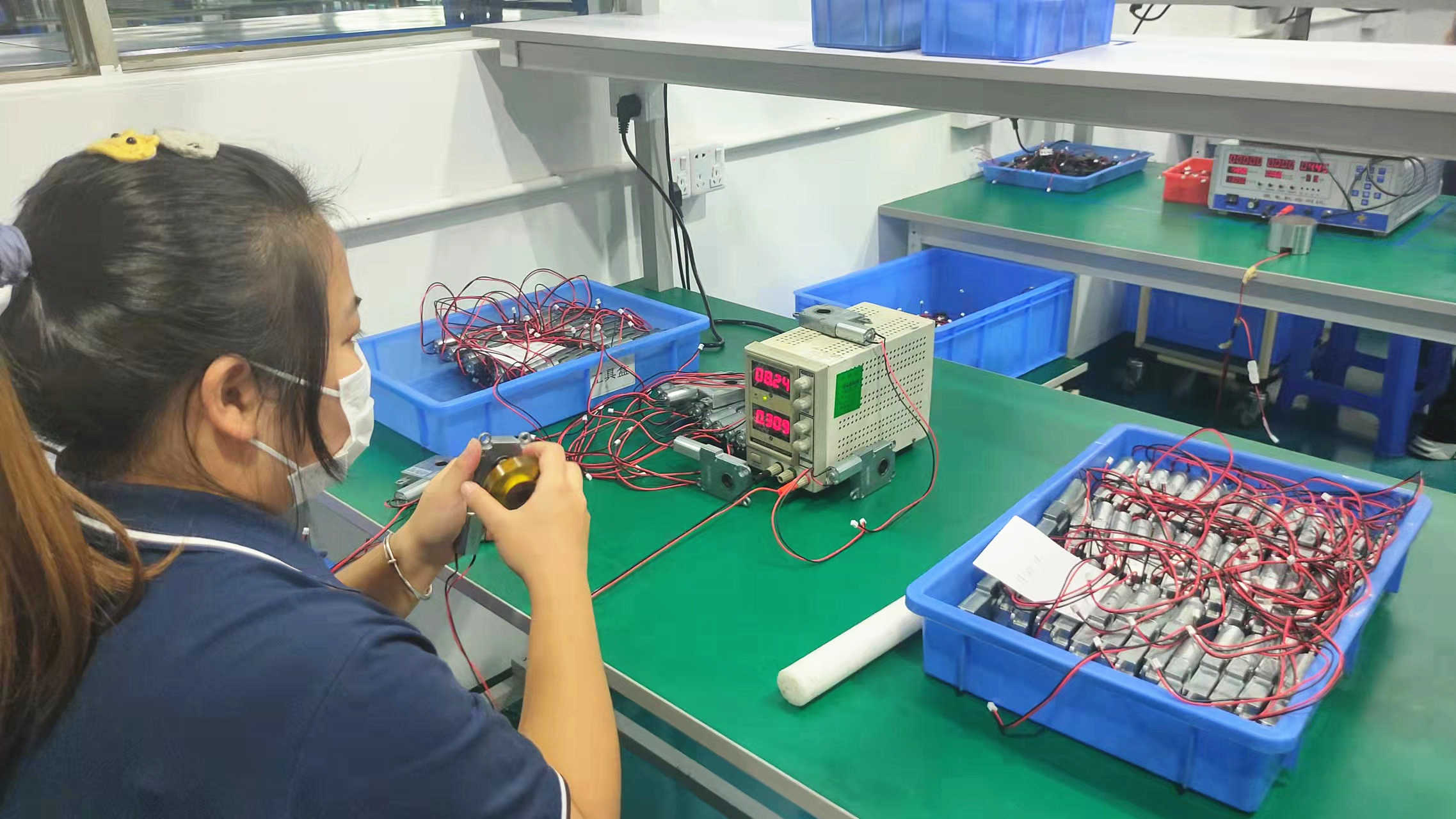
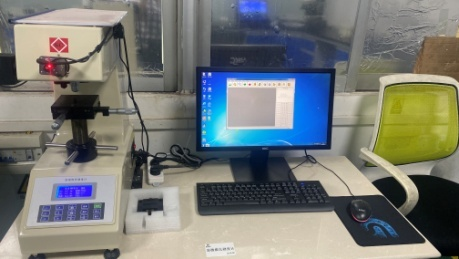
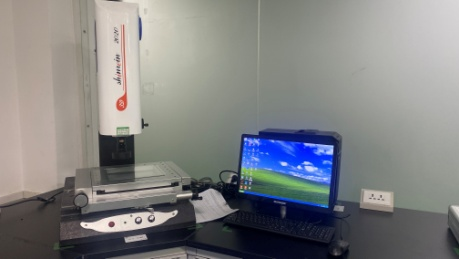
Developing robust, reliable micro gear motors requires top-tier tooling and rigorous testing infrastructure. To maintain the tightest dimensional limits and perfect mechanical matching, our production floor uses premium machinery from globally recognized makers, including Ningjiang Machine Tool centers, dynamic balancing machines, and NC wire-cut systems. Having all gear processing and heat treatment in-house allows us to maintain consistent mechanical quality from raw steel rod to finished drive shaft.
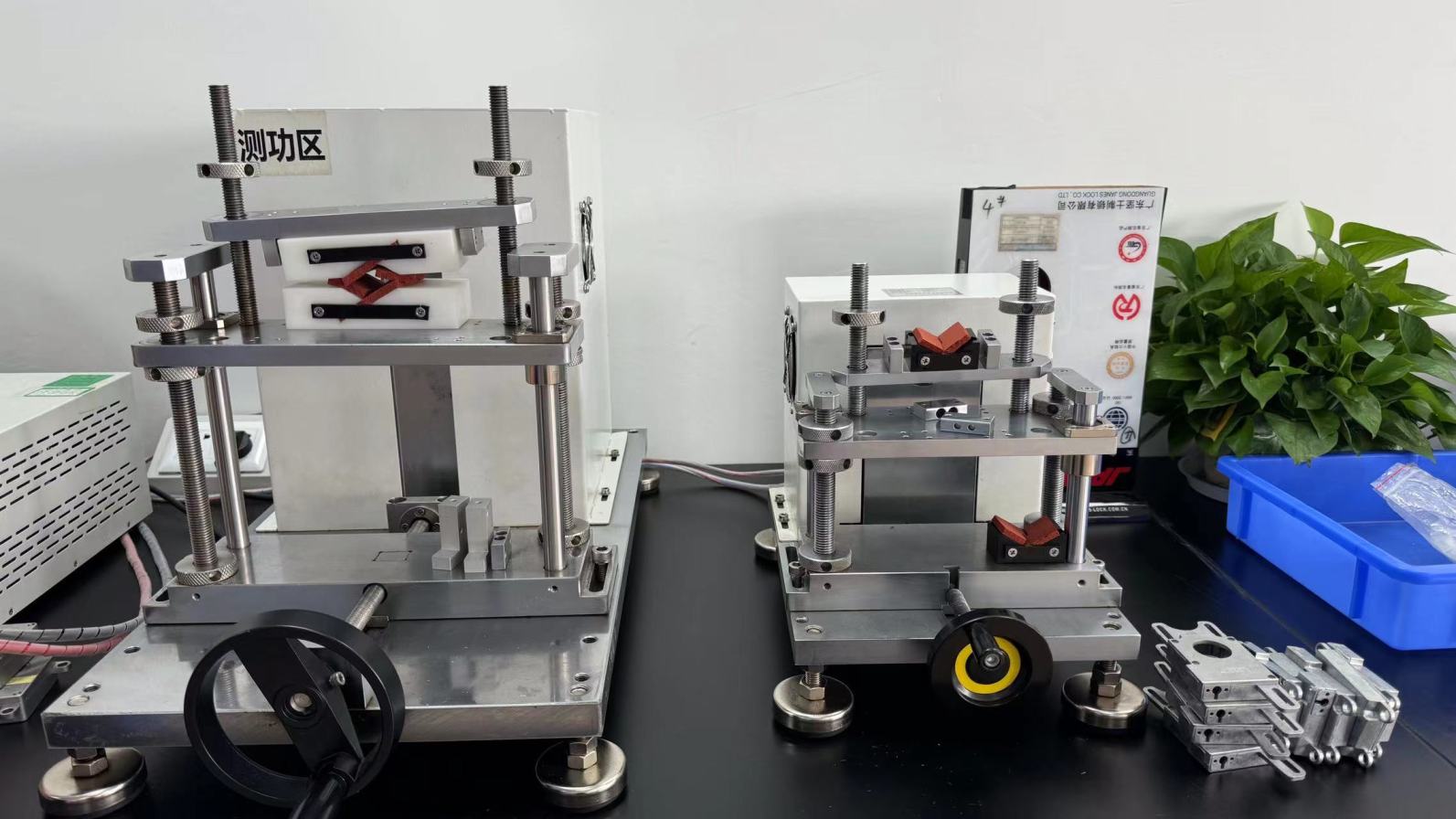
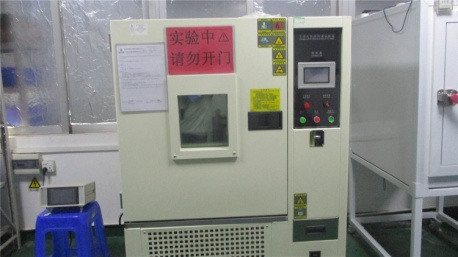
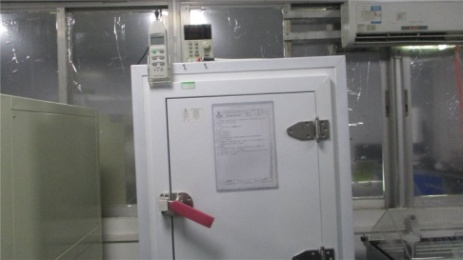
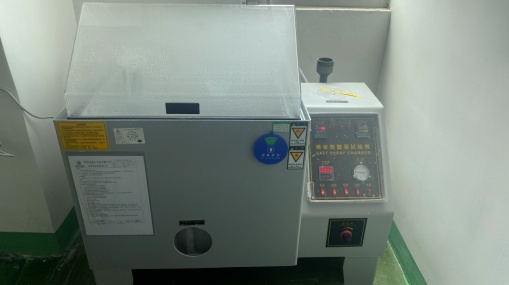
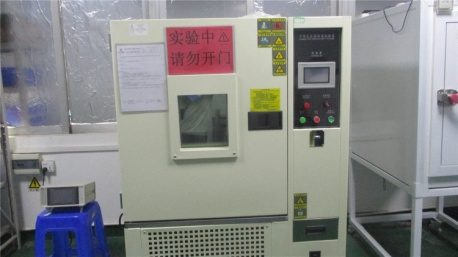
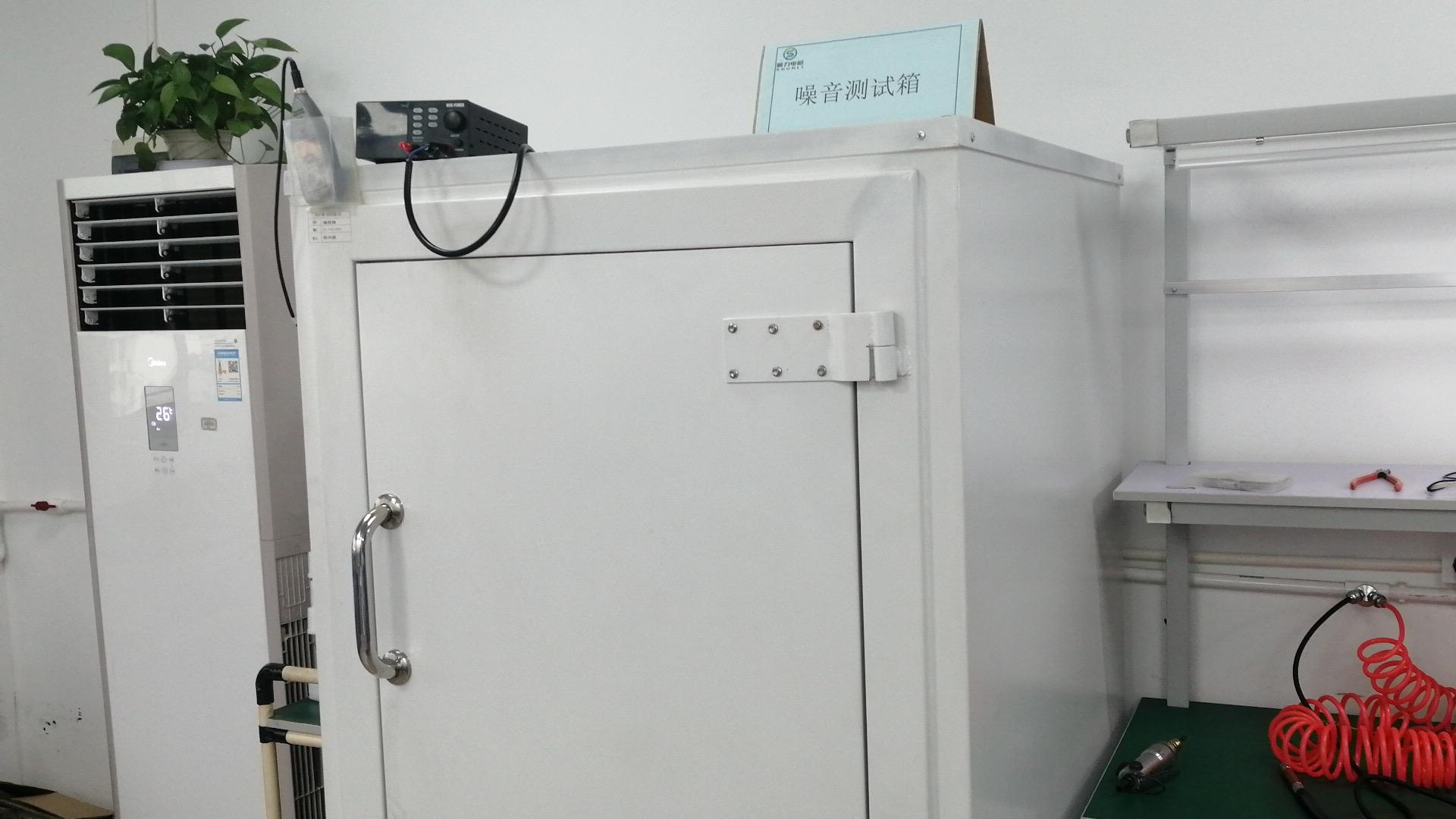
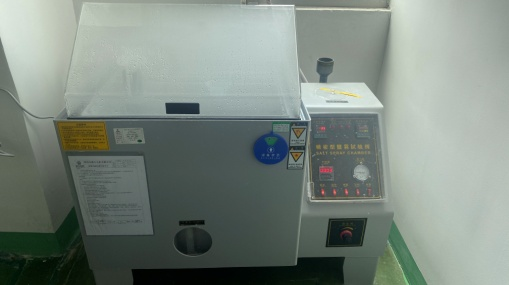
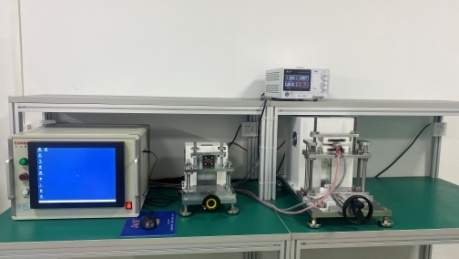
In addition to manufacturing, our quality control lab is equipped with environmental simulation chambers that test the limits of our assemblies. High-vibration tables, programmable temperature & humidity chambers, and specialized salt-spray chambers ensure that our gear motors with encoders remain reliable when deployed in Norway's damp, cold, and marine atmospheres.

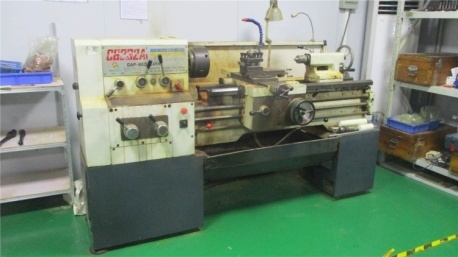
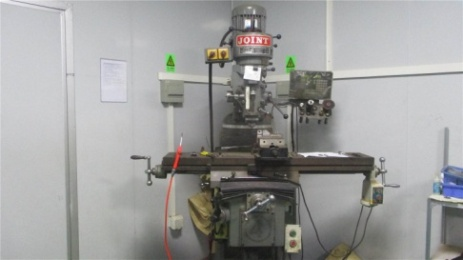
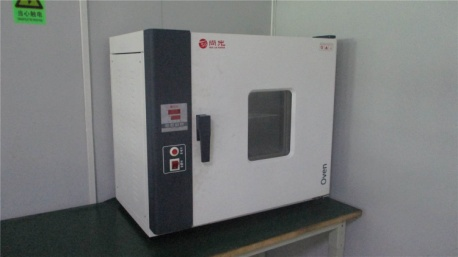
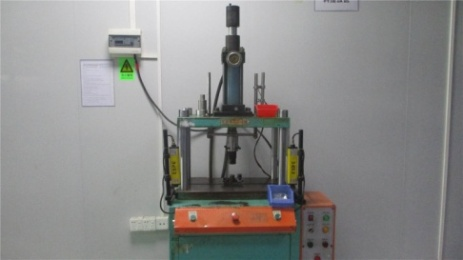
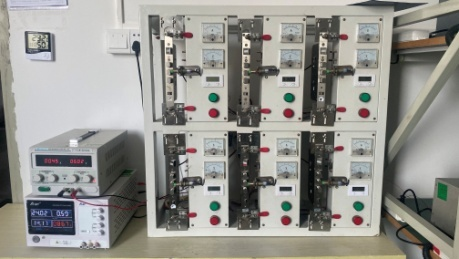
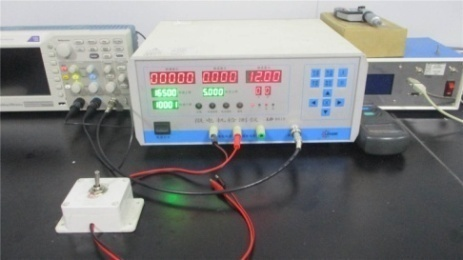
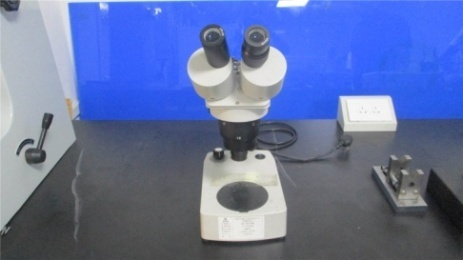
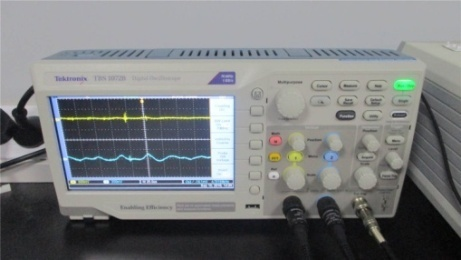
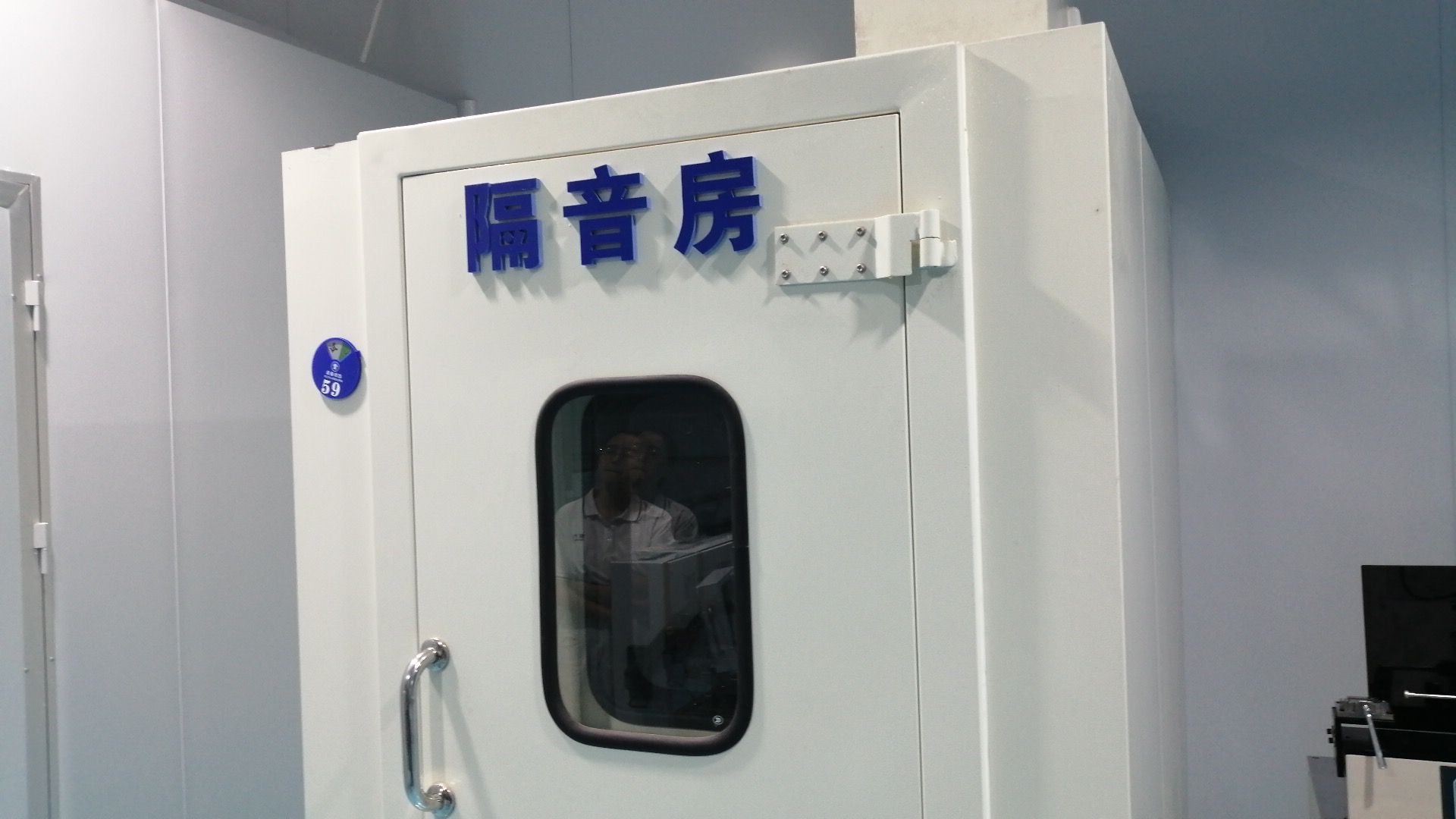
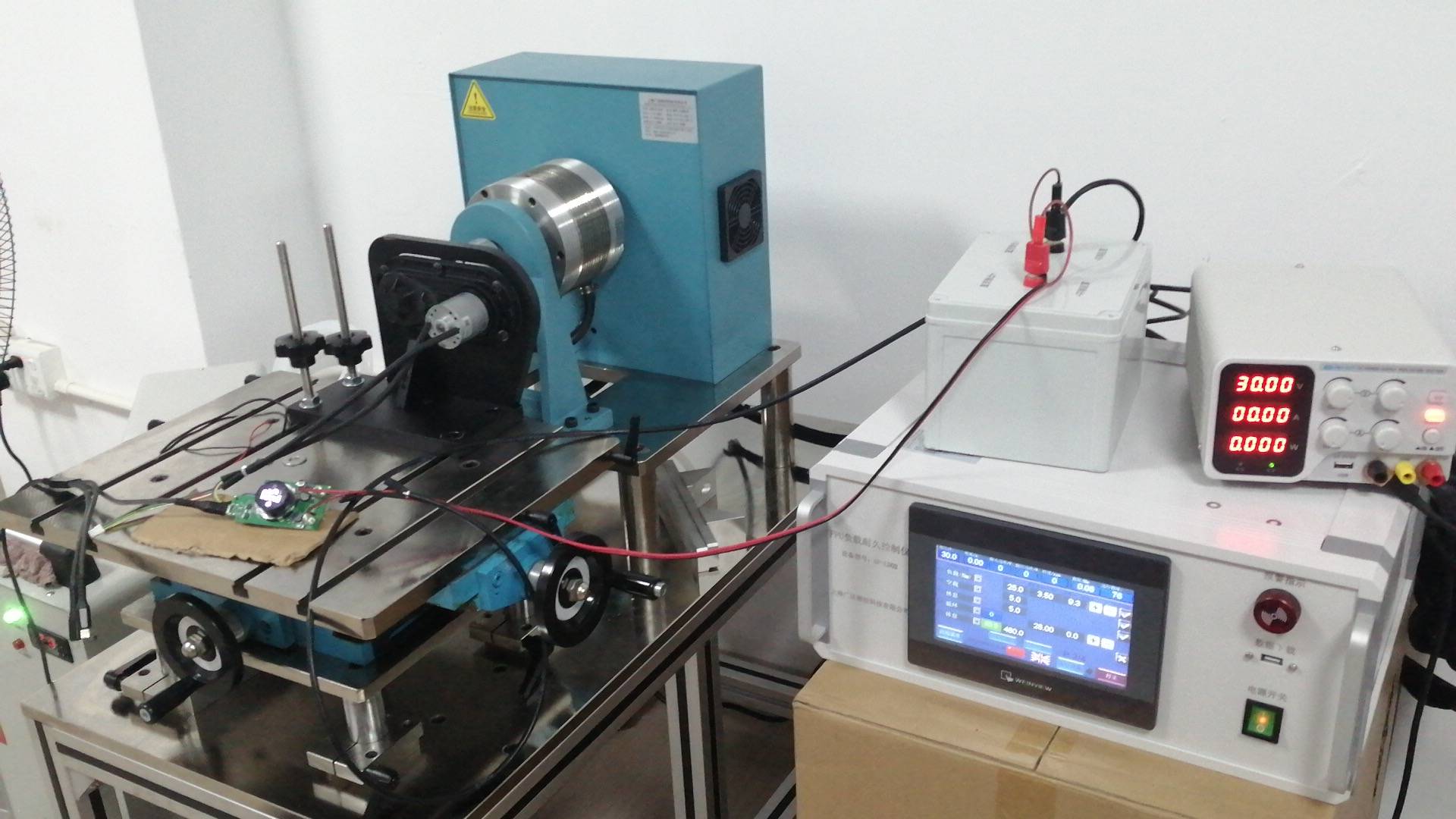
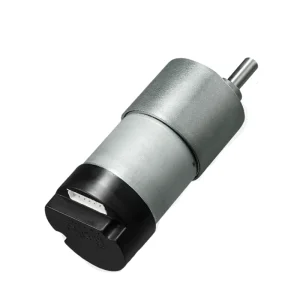
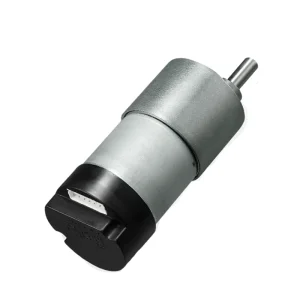
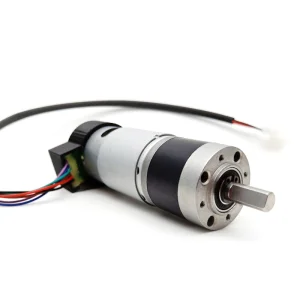
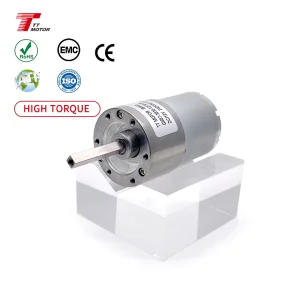
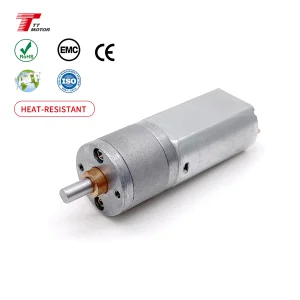
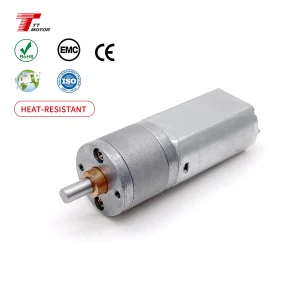
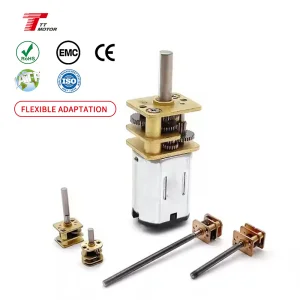
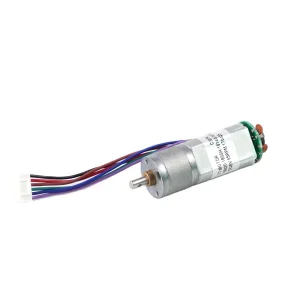
Explore our full line of gear motors with integrated encoders, matching diverse electrical configurations and dimensional demands.
When selecting a motor with encoder supplier for the Norwegian market, engineering teams must evaluate factors beyond unit cost. The total cost of ownership (TCO) is heavily influenced by quality-induced field failures, assembly line defects, and shipping schedules. Direct B2B communication with our Chinese manufacturing center simplifies custom shaft adaptations, custom cable wiring harnesses, and application-specific encoder configurations.
In applications like laboratory analysis devices, robotic joint drives, and marine tracking mechanisms, backlash in the gearbox introduces positional hysteresis. This means that even with a highly accurate 4096 PPR encoder, the output shaft will have positional play that cannot be measured directly by the motor shaft sensor. Our Swiss-style gear hobbing systems allow us to control gear profiles within micrometer ranges, keeping backlash levels extremely low. Using polymer gears in the initial stages also helps damp acoustic noise, keeping operations quiet and smooth.
For outdoor deployment along the Norwegian fjords, or for integration into subsea pods, water ingress is a major concern. Standard gear motors typically carry an IP40 or IP50 rating, which is vulnerable to dust and moisture. We work with engineering clients to develop customized enclosures with radial shaft seals and o-ring interfaces, helping the motor module meet IP65, IP67, or even IP68 submersion standards.
Technical insights from our engineering and support departments regarding DC gear motors with encoders.
Get in touch with our engineering team to discuss your project specs, volume requirements, and custom mechanical designs.
Send Inquiry Now